Educators and administrators are constantly juggling lesson plans, exams, extracurriculars, and staff meetings, yet many school calendars still feel like a tangle of overlapping events. By applying proven productivity principles to the PWC (Personal Work Calendar) system, schools can streamline scheduling, reduce conflicts, and give teachers more breathing room for instruction. The result is a calendar that not only tracks dates but actively fuels efficiency across the campus.
Why do busy schools struggle with their current calendars?
Most school calendars were built decades ago, when paper planners and manual entry were the norm. Today’s educators juggle digital tools, remote‑learning modules, and last‑minute policy updates, but the underlying structure often remains static. Common pain points include:
- Overlapping events: Mid‑year exams scheduled on the same day as teacher‑in‑training sessions create unavoidable conflicts.
- Lack of visibility: Departments cannot see each other’s commitments, leading to double‑booked rooms and strained resources.
- Reactive adjustments: When a snow day occurs, schools scramble to shift activities without a clear, centralized workflow.
These issues waste time, increase stress, and ultimately take focus away from student learning.
How can a redesigned PWC calendar become a productivity powerhouse?
Transforming the calendar starts with treating it as a living project‑management tool rather than a static list. Below are three practical tactics that busy schools can adopt immediately.
1. Centralize data with a shared, cloud‑based platform
Move every schedule entry—class periods, staff meetings, extracurriculars—into a single cloud service that offers real‑time syncing. When a teacher updates a rehearsal or a department shifts a deadline, the change instantly appears for all stakeholders. This eliminates the email‑chain “who’s on what day?” and provides a single source of truth.
2. Layer “focus windows” onto the existing timeline
Assign dedicated blocks for uninterrupted teaching, planning, and professional development. For example, set a weekly “no‑meeting Monday morning” slot that appears as a protected period on every teacher’s view. The calendar then warns users when they try to add a new event that would encroach on a focus window, prompting them to reschedule.
3. Automate conflict detection and resolution
Many modern calendar apps include rule‑based alerts. Configure a rule that flags any two events sharing the same room or teacher within a 30‑minute overlap. The system can automatically suggest alternative times or locations, saving the admin staff from manual cross‑checking.
By embedding these features, the PWC calendar shifts from a passive record to an active productivity partner.
What concrete steps should schools take right now?
Implementing the transformation doesn’t require a full overhaul; a phased approach works best for busy districts.
- Audit the current schedule. Identify the top three sources of conflict (e.g., room shortages, overlapping professional‑development days).
- Select a collaborative platform. Choose a tool that integrates with existing school management software and offers role‑based permissions.
- Define focus windows. Work with department heads to carve out non‑negotiable blocks for teaching and planning.
- Set up automated rules. Configure alerts for room usage, teacher availability, and event overlap.
- Train staff. Host a short, hands‑on workshop showing teachers how to view, add, and adjust entries without disrupting the broader schedule.
- Monitor and iterate. After one semester, collect feedback and tweak focus windows or alert thresholds as needed.
When schools follow these steps, the calendar becomes a strategic asset—one that protects teachers’ time, maximizes facility use, and keeps students on track.
What’s the bottom line for busy educators?
A well‑engineered PWC calendar can shave hours of administrative hassle each month, freeing educators to focus on lesson preparation and student interaction. By centralizing data, protecting focus periods, and automating conflict checks, schools turn a traditional scheduling headache into a productivity powerhouse that supports both staff wellbeing and academic outcomes.
3.0 Plate Boundaries (overview) - DGGV
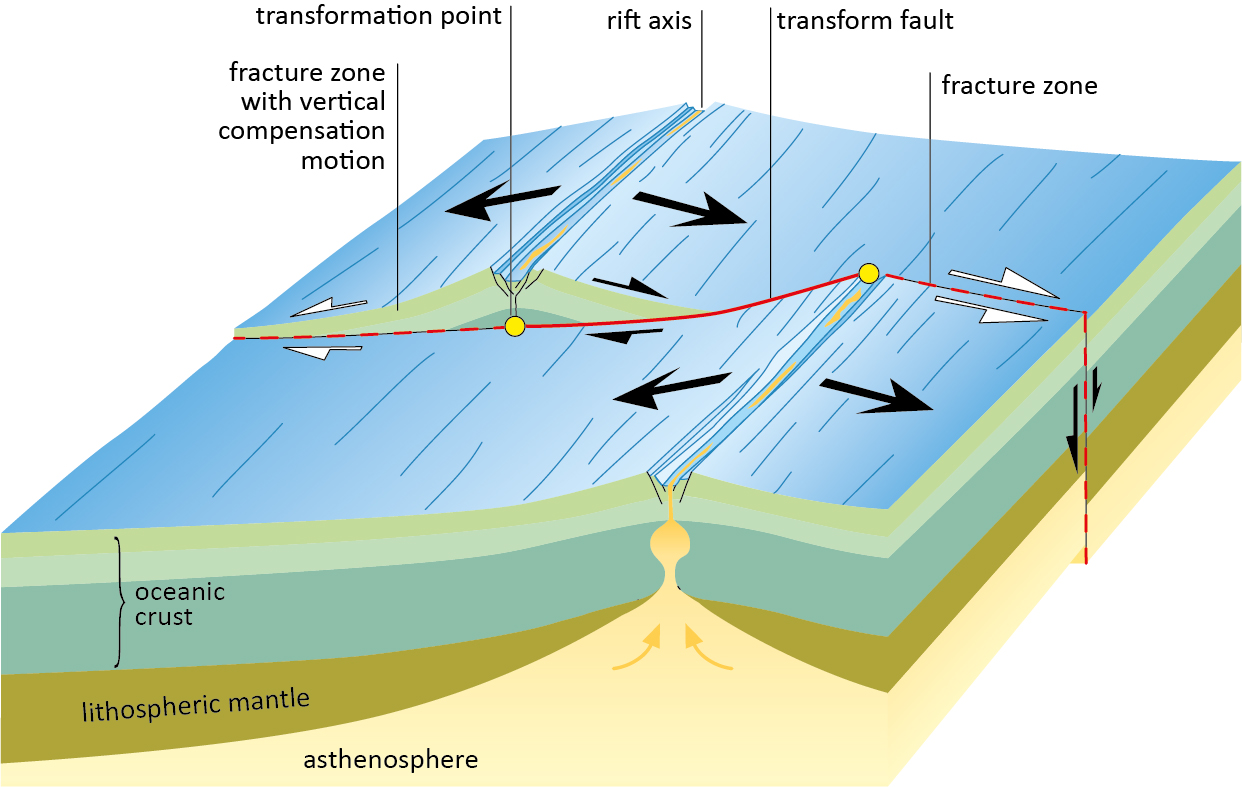
3.0 Plate Boundaries (overview) - DGGV
Transform Plate Boundary
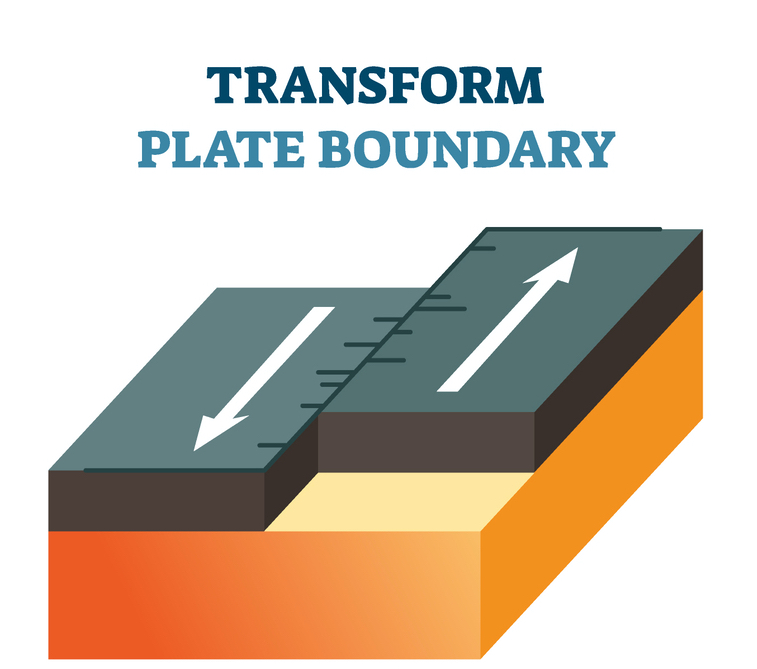
Transform Plate Boundary
Plate Tectonics - Licchavi Lyceum
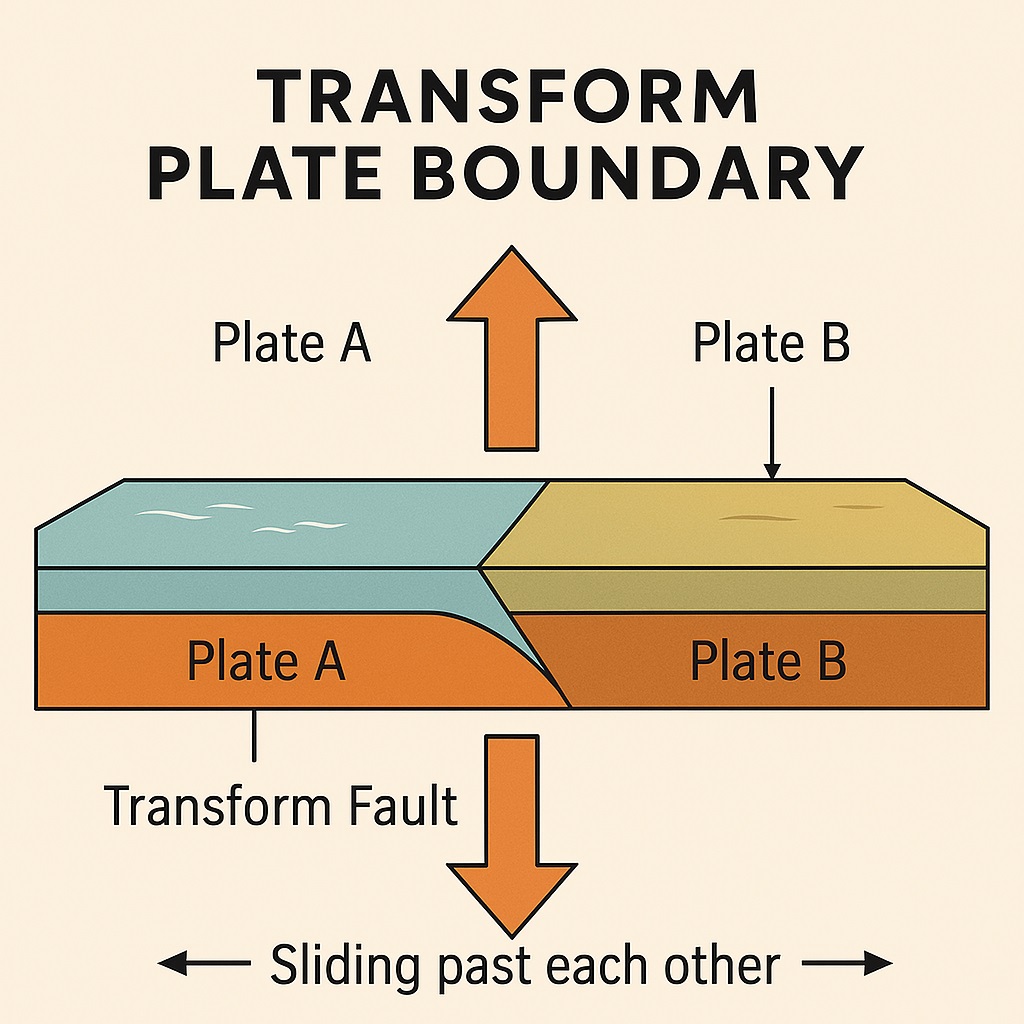
Plate Tectonics - Licchavi Lyceum
Transform Fault Fence Transform Plate Boundaries Geology (U.S.

Transform Fault Fence Transform Plate Boundaries Geology (U.S.
Plate Boundaries Convergent Divergent Transform
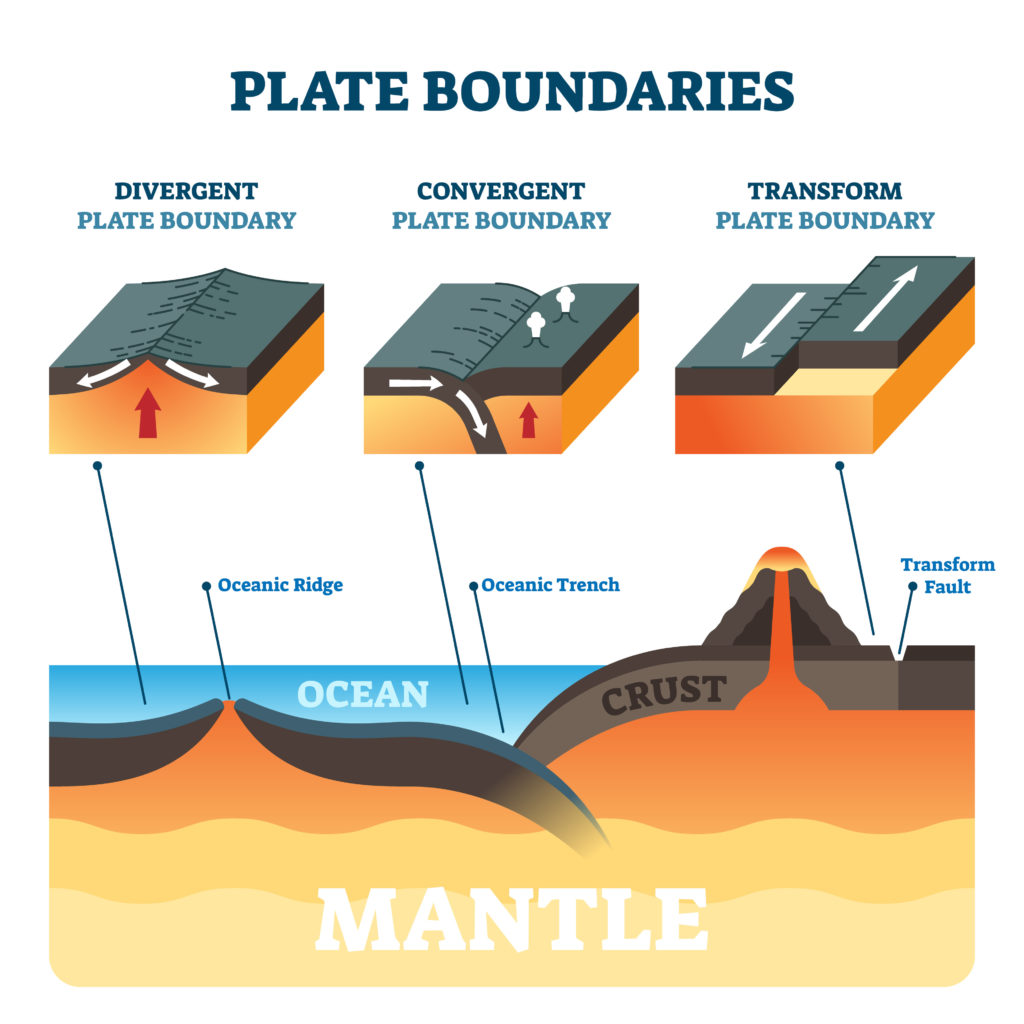
Plate Boundaries Convergent Divergent Transform