When you need to stay in touch, the choice between free online messaging services and paid texting plans can feel like a gamble. Free options—often anchored in data‑driven apps or web portals—promise zero‑cost communication, while paid alternatives guarantee carrier‑level reliability and broader reach. Understanding the trade‑offs in cost, coverage, privacy, and functionality helps everyday users decide which route fits their daily routine.
When a Free, Data‑Based Service Makes Sense
If you already have a stable Wi‑Fi or cellular data connection, free online messaging platforms such as WhatsApp, Signal, or Google Messages let you send unlimited texts, photos, and videos without adding to your phone bill. They excel in:
- Cost control: No per‑message fees; the only expense is your existing data plan.
- Rich media support: High‑resolution images, voice notes, and group video calls flow naturally.
- Cross‑platform reach: Recipients on Android, iOS, or desktop receive messages instantly.
For a college student who checks Wi‑Fi multiple times a day, switching to a free app can shave $20–$30 off a monthly budget without sacrificing connectivity.
Scenarios Where Paid SMS Still Wins
Paid texting, typically bundled with a carrier’s voice plan, remains the go‑to for users who need:
- Universal delivery: SMS works on any phone, even basic feature phones without internet.
- Reliability in low‑signal areas: Texts often get through where data stalls, such as rural or underground locations.
- Regulatory compliance: Businesses that must retain message logs for legal reasons may prefer carrier‑tracked SMS.
A small‑business owner who sends appointment reminders to a diverse client base—including older customers who only have basic phones—will find paid SMS indispensable for guaranteed delivery.
Privacy‑Focused Users: Free Apps vs Paid Plans
Free messaging apps vary widely in how they handle data. Signal and Telegram market end‑to‑end encryption, while some popular services harvest metadata for ad targeting. Paid SMS, on the other hand, is stored by carriers and can be subpoenaed, but it doesn’t expose content to third‑party advertisers.
If protecting conversation content is paramount, choose a free app with proven encryption and a transparent privacy policy. If you need a simple audit trail for work‑related texts, a paid plan offers a regulated record‑keeping path.
Heavy Media Sharers: Bandwidth vs Bill
Sending high‑definition videos or large files through free apps consumes data. A 5‑minute 1080p video can eat up 250 MB of bandwidth, which may trigger throttling or overage charges on limited data plans. Paid SMS cannot transmit such media without turning into an MMS, which often carries a per‑message surcharge.
For a freelance photographer who shares portfolios on the fly, a hybrid approach works best: use a free, data‑rich app when on Wi‑Fi, and fall back to paid SMS/MMS when on a limited cellular plan or when the recipient cannot install an app.
Cost Comparison at a Glance
- Free online messaging: $0 per message; potential data cost $5‑$15 per GB depending on carrier.
- Paid SMS bundles: $10‑$25 per month for unlimited domestic texts; extra fees for international or premium services.
- MMS (media via carrier): $0.10‑$0.25 per message, often bundled in higher‑tier plans.
Running the numbers for a typical user who sends 200 texts and 10 photos a month shows a free‑app setup saving roughly $12, assuming a modest 2 GB data plan. A user who must reach non‑smartphone contacts, however, might spend $15‑$20 on a basic SMS bundle and still achieve full coverage.
Making the Decision: A Quick Checklist
- Do your contacts all use smartphones? → Free online app.
- Do you need to reach feature phones or travelers without data? → Paid SMS.
- Is privacy a top priority? → Choose an encrypted free app.
- Do you frequently share large files? → Combine Wi‑Fi‑based free app with occasional paid MMS.
- Is your data plan limited or metered? → Factor potential overage into total cost.
In the end, the right choice hinges on who you’re messaging, where you’re sending from, and how much you value convenience versus cost. By matching your everyday scenarios to the strengths of each option, you can keep conversations flowing without surprise charges.
Now GG: How To Play Free Fire On PC Or Mobile Without Any Installation
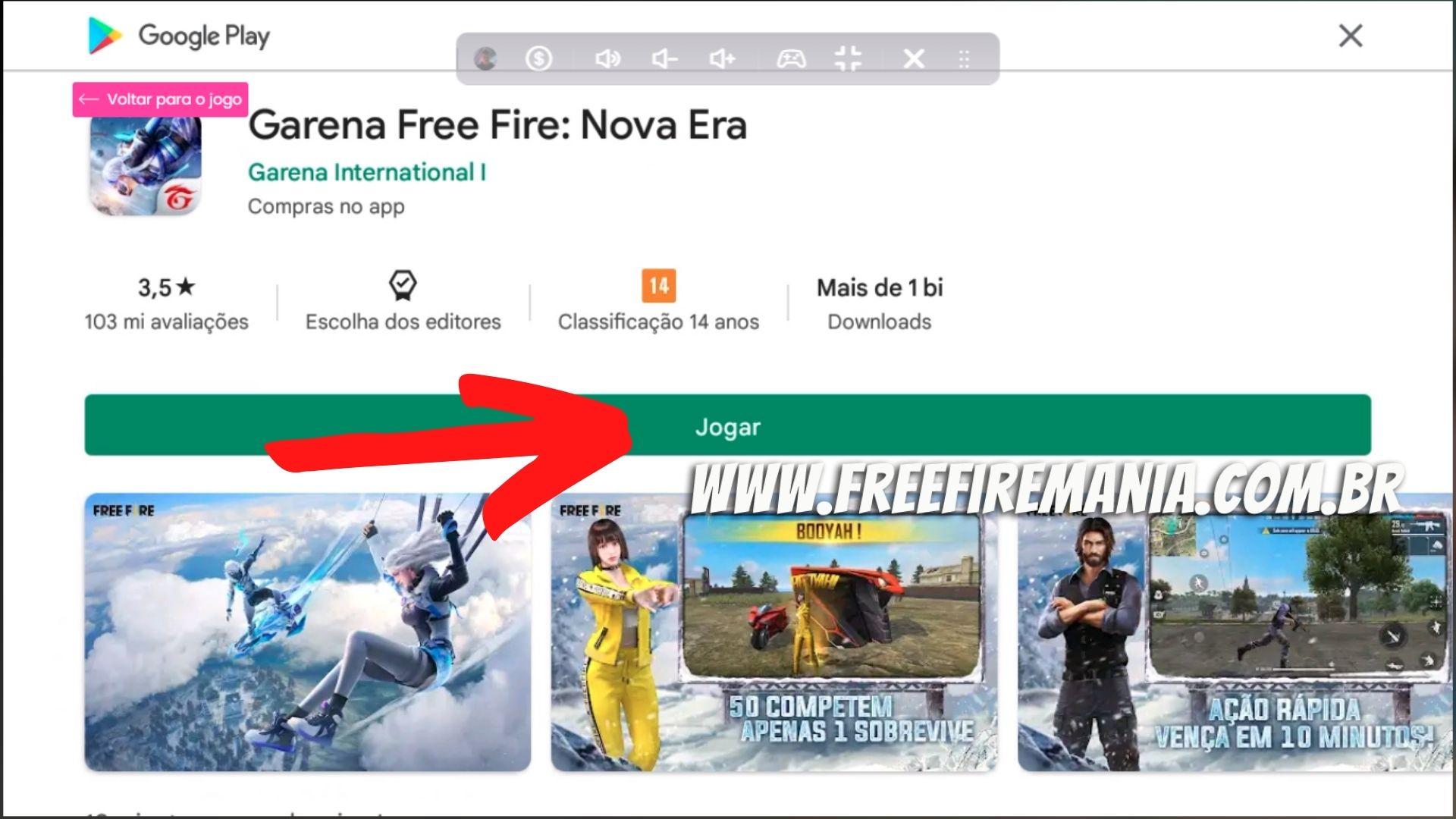
Now GG: how to play Free Fire on PC or Mobile without any installation
Free Fire
Free Fire
Comprehensive Beginner's Guide To Free Fire India | BlueStacks

Comprehensive Beginner's Guide to Free Fire India | BlueStacks
Free Fire Game Mode

Free Fire Game Mode
Free Fire MAX: The Ultimate Guide To Gameplay, Features, And Tips For

Free Fire MAX: The Ultimate Guide to Gameplay, Features, and Tips for ...