Artistic expression can energize the mind, but when the pursuit of brilliance spirals into obsession, mental health may suffer. Recent discussions among therapists, gallery curators, and creators highlight that the line between inspiration and instability is not a myth—it’s a measurable risk that demands practical safeguards for busy professionals.
What are the primary benefits of channeling emotions into art?
Creating visual, musical, or literary work provides a structured outlet for stress, turning abstract anxiety into tangible form. Studies consistently show that regular engagement with a medium reduces cortisol levels and improves mood regulation. For a corporate manager who sketches during lunch, the act can function as a micro‑meditation, sharpening focus for the afternoon’s meetings.
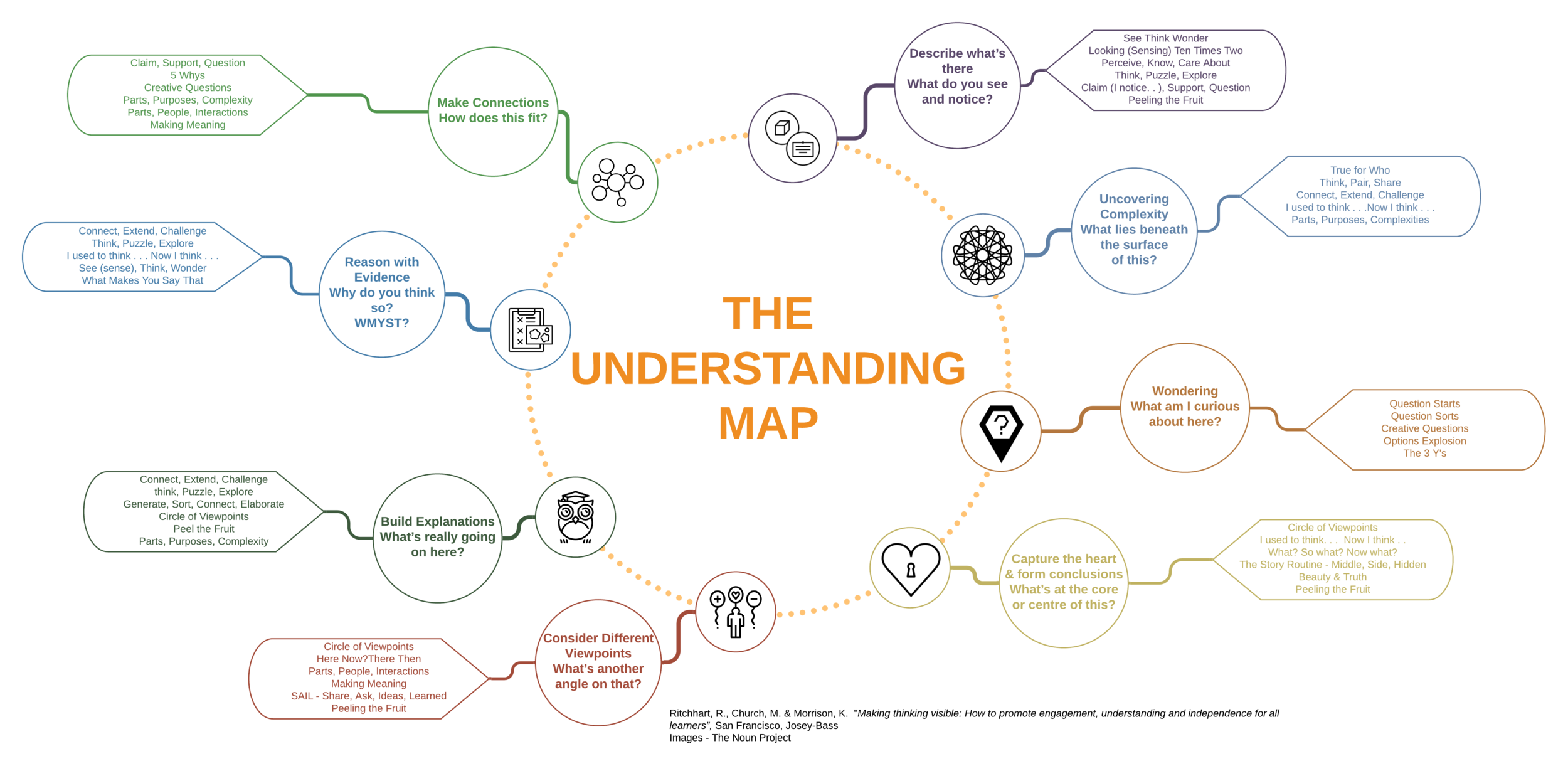
When does creative drive become a mental‑health hazard?
The transition often occurs when the artist ties self‑worth exclusively to output. Symptoms include insomnia, chronic self‑criticism, and a compulsion to produce despite physical exhaustion. In practice, a freelance designer who skips meals to meet a deadline may notice diminishing returns: productivity drops while anxiety spikes, a classic trade‑off that signals the need for boundary setting.
How can creators set realistic expectations without stifling inspiration?
Adopting a “bounded creativity” model works for many busy individuals. Allocate fixed blocks—30 minutes of sketching, two hours of writing—then switch to unrelated tasks. This prevents the brain from entering a hyper‑focused loop that can erode mental resilience. Tracking progress with a simple log helps separate genuine breakthroughs from habitual over‑production.

What practical safeguards do mental‑health professionals recommend?
- Scheduled downtime: Treat rest as a non‑negotiable appointment; use calendar alerts.
- Peer review: Share work with trusted colleagues to gain perspective and reduce perfectionist loops.
- Physical anchors: Incorporate movement—stretching, short walks—between creative bursts to reset neural patterns.
- Professional check‑ins: Quarterly sessions with a therapist familiar with creative personalities can spot early warning signs.
What are the trade‑offs for organizations that support artistic wellness?
Companies that fund employee art programs often see higher engagement scores and lower burnout rates, yet they must allocate budget and protect work time from being swallowed by endless projects. A balanced policy—one hour per week for creative pursuits, with clear deliverable expectations—delivers the upside without compromising core business objectives.
What steps should a busy practitioner take today?
- Identify a single creative activity you enjoy and schedule it in your calendar for the next week.
- Set a timer; stop when it rings, regardless of whether the work feels finished.
- Log how you feel before and after the session; note any shifts in anxiety or focus.
- If negative patterns emerge, book a brief consultation with a mental‑health provider who understands artistic contexts.
Understanding the fine line between artistic expression and mental health is less about lofty philosophy and more about actionable habits. By treating creativity as a tool rather than a sole identity, busy professionals can reap its therapeutic benefits while preserving the psychological bandwidth needed for everyday demands.
Consensus Building In The Paranormalist Community – Etheric Studies
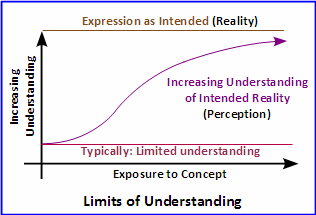
Consensus Building in the Paranormalist Community – Etheric Studies
Ideas — The Learner's Way

Ideas — The Learner's Way
What's So Funny About Peace And Love & Understanding? - Get Real Post
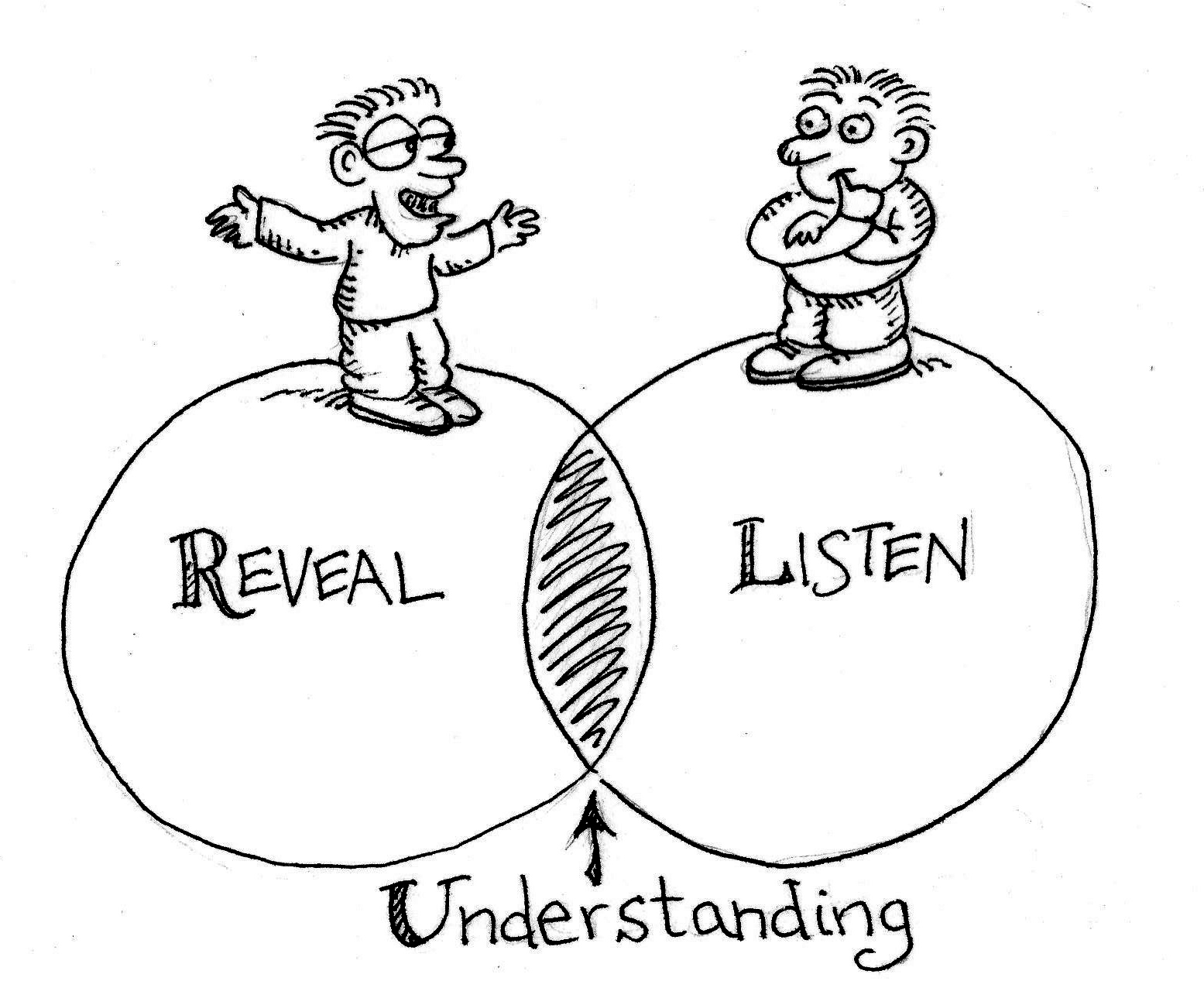
What's So Funny About Peace and Love & Understanding? - Get Real Post
Use Critical Questioning To Support Your Learning – Learning To Learn
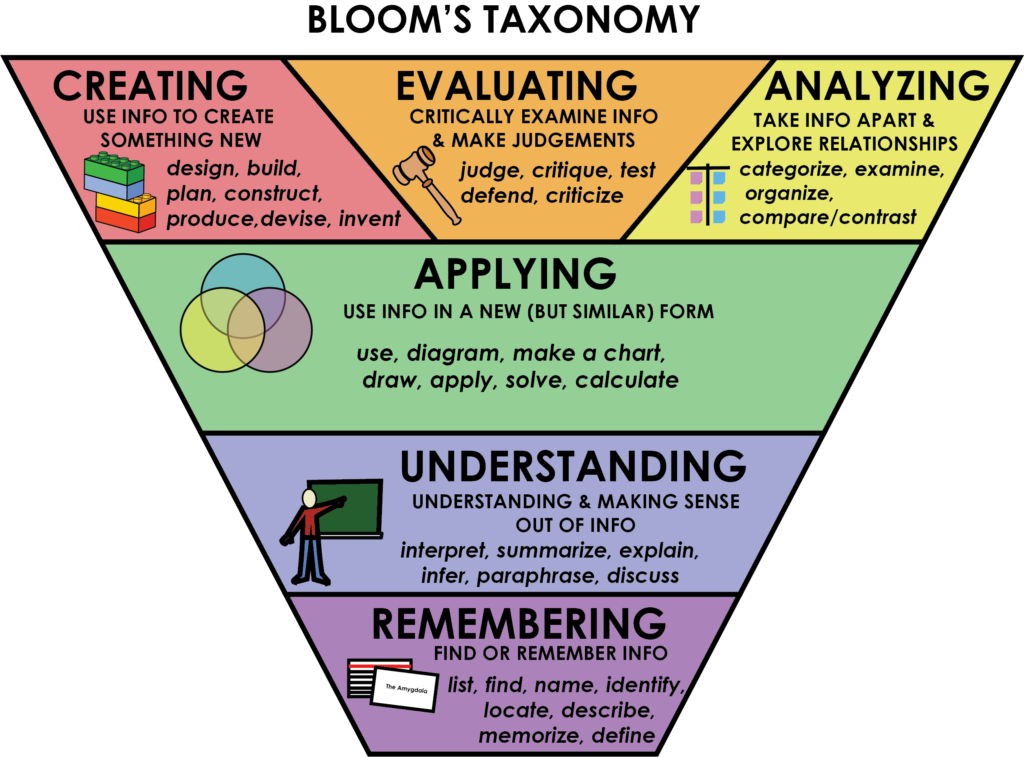
Use critical questioning to support your learning – Learning to Learn ...