Imagine a game that blends the freedom of a backyard throw with the strategic depth of a team sport. That’s ultimate frisbee—a game you can pick up in a park and play with friends or join a local league and compete in organized tournaments. For many, it’s an unexpected way to stay active, meet new people, and develop hand‑eye coordination, all while enjoying the outdoors.
Why Ultimate Is More Than a Casual Throw
Unlike basketball or soccer, ultimate relies solely on player skill and sportsmanship; there are no referees, just a self‑policing code of “Spirit of the Game.” This rule promotes fair play, encourages teamwork, and fosters an inclusive culture. In cities across the U.S., youth leagues, college teams, and corporate leagues have sprung up, offering a low‑barrier entry point for athletes of all ages.
Getting Started: Gear, Field, and Basics
The first step is simple: a disc, a pair of sneakers, and a willingness to learn. Pick a disc that feels comfortable—most beginners use the standard 175‑gram model. Field dimensions vary: a full‑size field is 70 × 37 m, but for practice a smaller 30 × 20 m layout will suffice. The two teams, each with seven players, vie for a disc that moves laterally or forward but never backward.
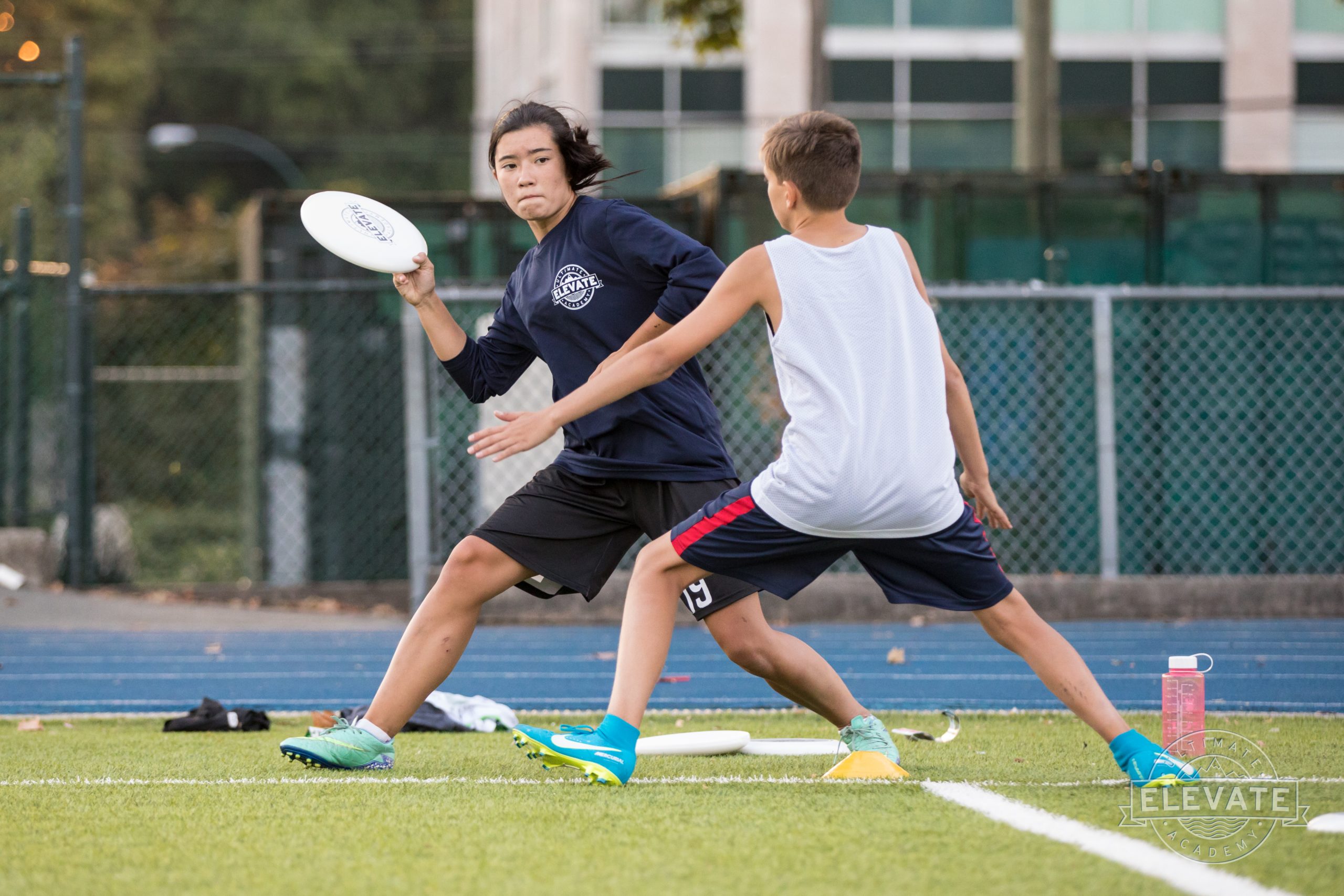
The Three Fundamental Plays
- Pass: The most basic element—throwing the disc from one teammate to another using either a forehand, backhand, or overhead.
- Cut: A quick move to create space for a catch, usually a sharp angle that draws defenders away.
- Intercept: Anticipating an opponent’s pass and snatching the disc to turn defense into attack.
Core Skills Every New Player Needs
Mastering the “four‑step” catch, maintaining a steady footwork rhythm, and learning how to read the defender’s body language are the cornerstones of success. Practicing with a partner who can throw a wide variety of spins will accelerate muscle memory. Many players use a “scoop” drill—catching a disc while moving backward—to build agility.
Common Pitfalls and Quick Fixes
- Over‑throwing: Newcomers often toss the disc too far, causing missed catches. Focus first on accuracy—short, controlled passes are more reliable.
- Neglecting the “Spirit” rule: Conflicts over fouls can stall a game. Remember that the game’s heart lies in mutual respect; resolve disputes verbally rather than physically.
- Ignoring fitness: Ultimate is high‑intensity, requiring both aerobic stamina and explosive power. Incorporate sprints and agility ladders into your warm‑up routine.
Finding a Local League or Friendly Group
Search online for “Ultimate Frisbee league near me” or check your city’s parks and recreation portal. Many leagues offer open play, where teams are formed on the fly, and structured tournaments that follow NCAA‑style brackets. If you’re a corporate employee, consider organizing a lunchtime pick‑up game; it’s a great team‑building exercise.
Beyond the Field: Health, Community, and Fun
Studies show that regular participation in ultimate can reduce stress, improve cardiovascular health, and boost mental resilience. The social component—sharing a game after a long workday—often turns casual players into lifelong friends. And because the game is played outdoors, you’ll also benefit from a dose of fresh air and sunlight.
Whether you’re looking for a new hobby, a way to stay fit, or a community to belong to, ultimate frisbee offers a compelling mix of skill, sportmanship, and social interaction. Grab a disc, find a field, and start your journey into a game that keeps growing—one throw at a time.
Ultimate Tyranno (V.2) POTD-EN020 Ultimate Rare Englisch
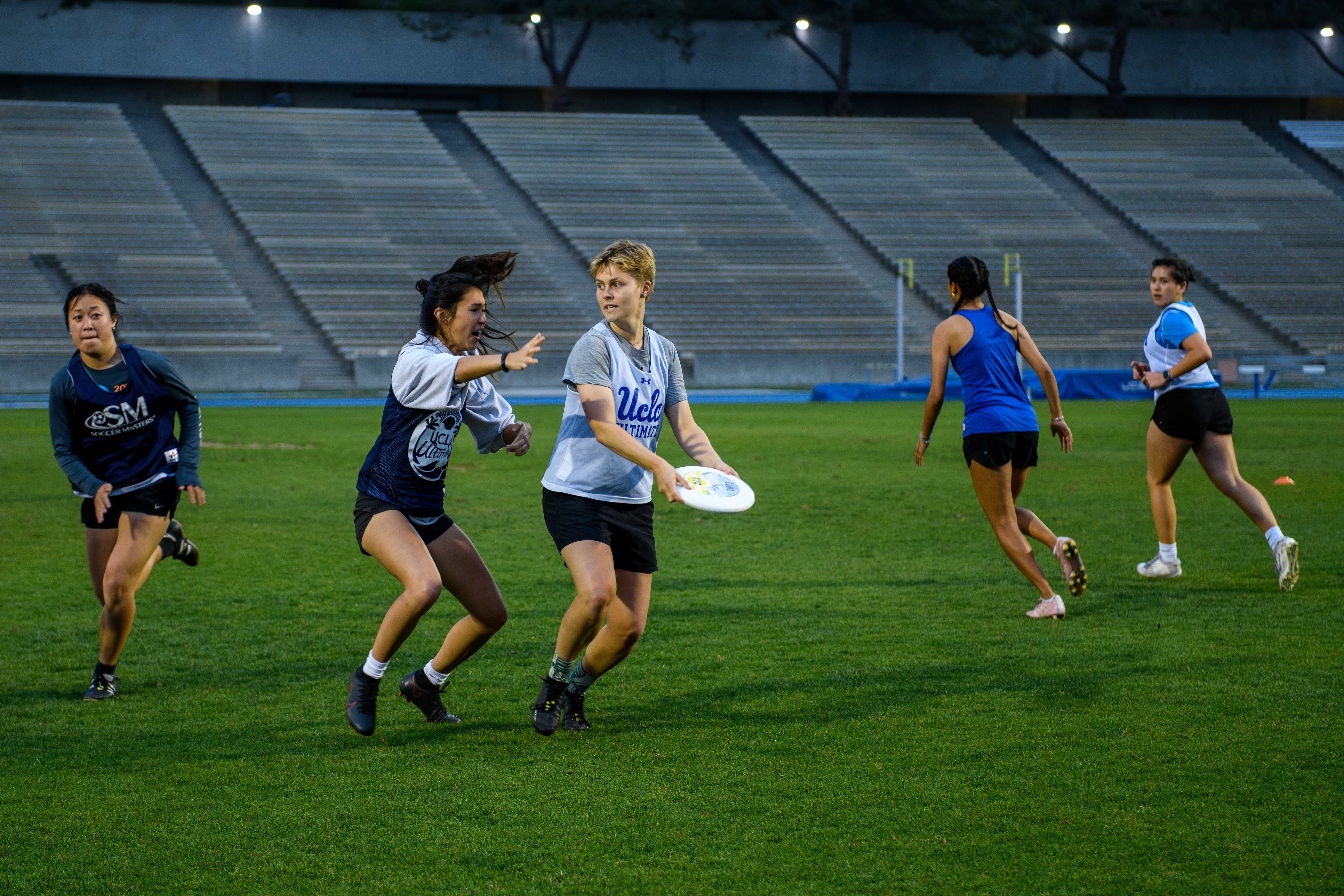
Ultimate Tyranno (V.2) POTD-EN020 Ultimate Rare Englisch
Technique Frisbee Ultimate | Techniques De Lancer En Frisbee – YXCE
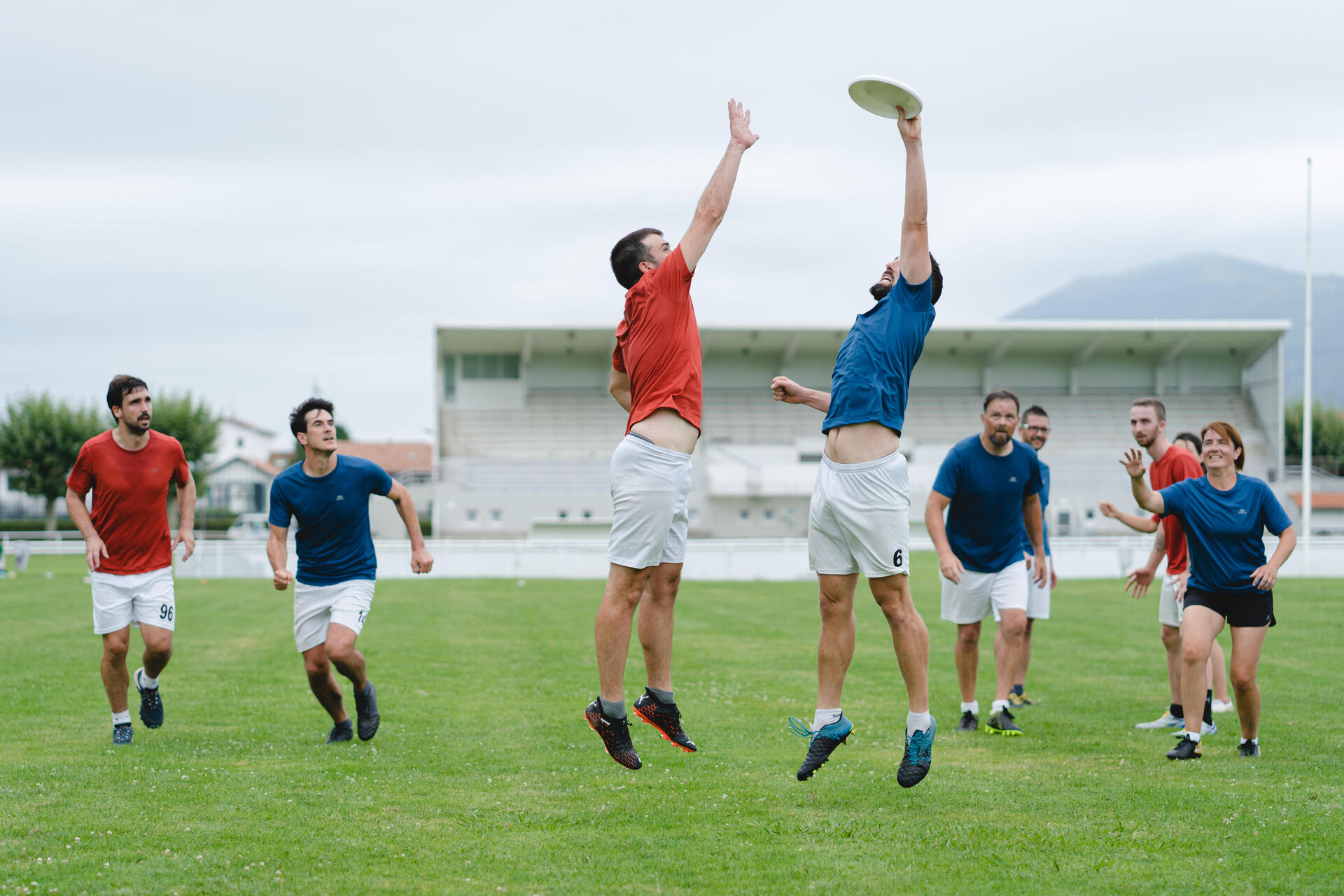
Technique Frisbee Ultimate | Techniques De Lancer En Frisbee – YXCE
Ultimate Frisbee 101: A Beginners Guide To Ultimate - Elevate Ultimate
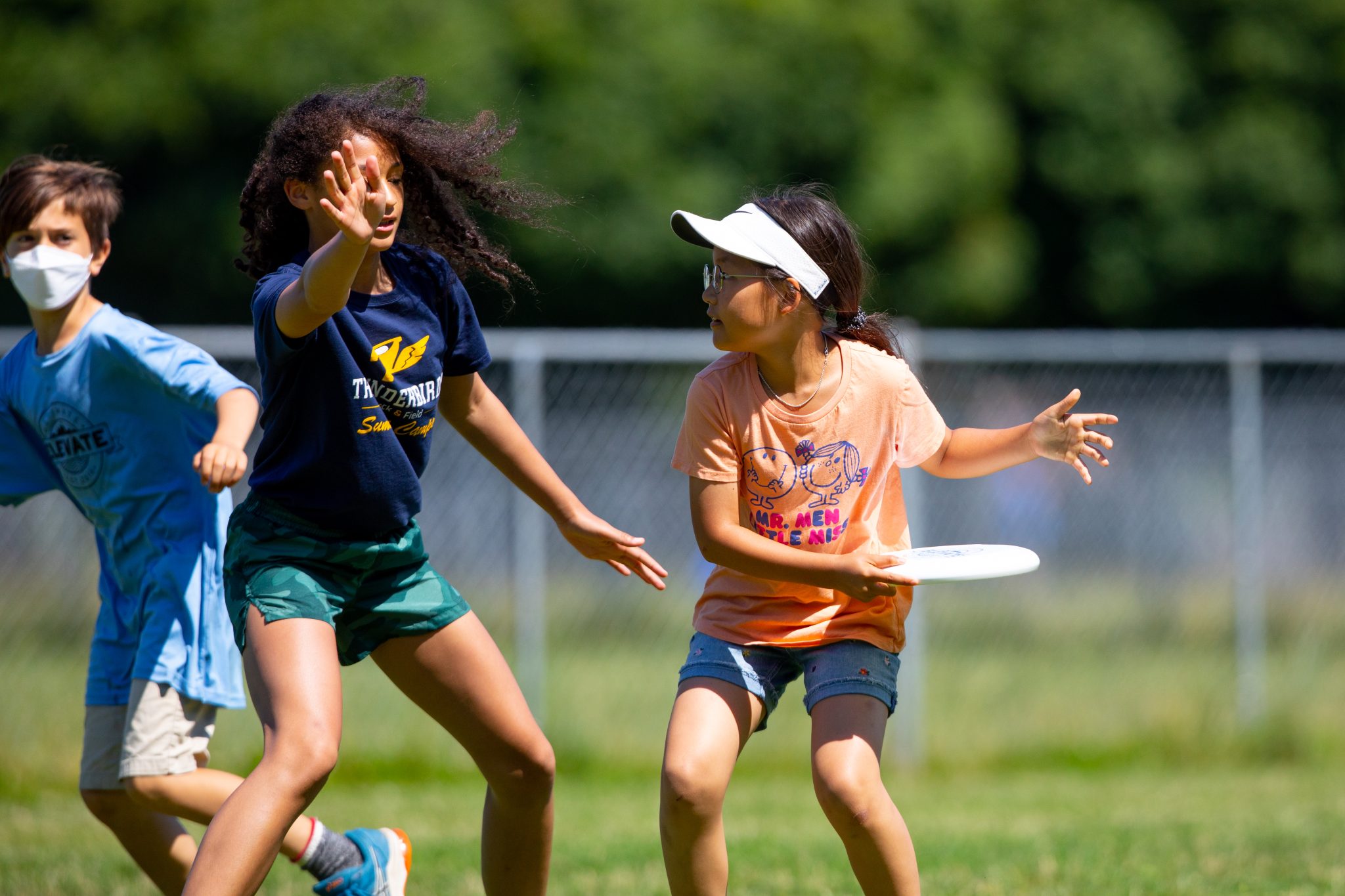
Ultimate Frisbee 101: A Beginners Guide to Ultimate - Elevate Ultimate
Different Types Of Passes In Ultimate Frisbee | Iodisc
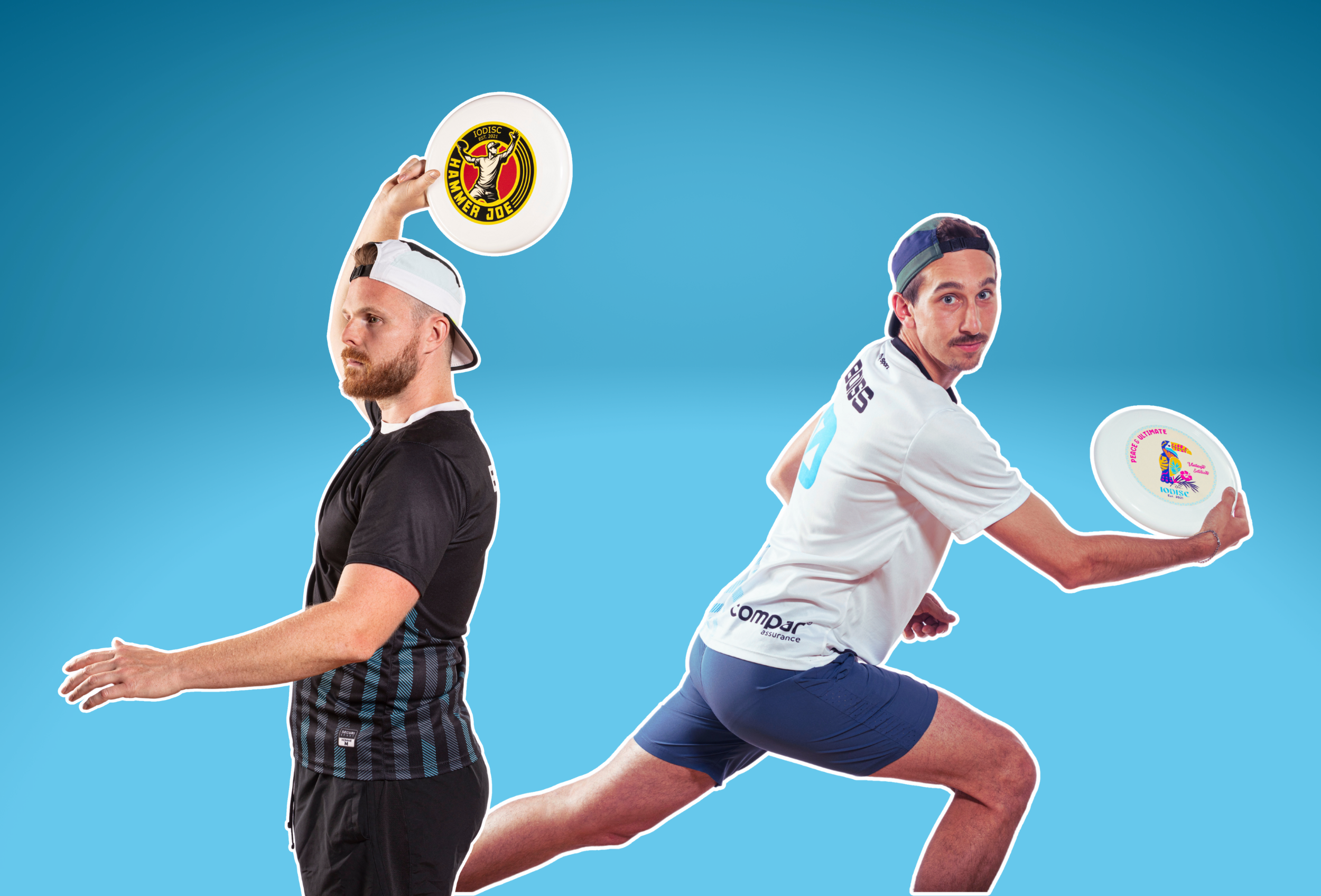
Different Types of Passes in Ultimate Frisbee | Iodisc