When your class timetable feels like a juggling act, the stress can spill into every other area of life. Building a smoother, fuller schedule every day isn’t about packing more classes into a day—it’s about crafting a rhythm that balances coursework, personal time, and rest so you can perform at your best.
Why a Fuller Schedule Can Actually Improve Your Productivity
Most students think that squeezing in more classes means more credit and faster graduation. In reality, a well‑designed timetable can boost focus by aligning peak energy periods with the most demanding subjects. It also reduces the mental overhead of constantly switching contexts. For instance, grouping math and physics in the morning takes advantage of the fresh problem‑solving mindset, while creative projects can thrive after a mid‑day recharge.
Common Scheduling Pitfalls to Avoid
- Back‑to‑Back Blocks: A string of four hours of lectures without a break can lead to mental fatigue.
- Unrealistic Gap Times: Over‑stretching free periods gives the illusion of flexibility but actually forces you to rush between campus buildings.
- Ignoring Personal Commitments: Skipping study groups or club meetings because you think they’re optional can sabotage long‑term learning.
Step‑by‑Step: Building a Smoother Daily Flow
- Map Your Energy Curves—Track when you feel most alert (morning, midday, evening) over a week and slot your hardest courses accordingly.
- Block Core and Core‑Support Courses Together—Keep related subjects back‑to‑back to minimize cognitive load.
- Insert Strategic Buffer Zones—Add 10‑minute “transition” slots between classes to grab coffee or stretch, not to cram.
- Schedule Self‑Care as a Non‑Negotiable Class—Treat sleep and exercise like a required lecture; they’re essential for academic endurance.
- Use a visual planner—color‑code subjects and commitments so you can see the whole day at a glance.
Tech Tools That Streamline Your Planning
While paper planners still have their charm, a few digital apps can automatically adjust your timetable for traffic, weather, and campus events.
- Google Calendar’s “Find a Time” feature lets you spot the optimal slot for group projects.
- MyStudyLife syncs course times with your personal events and sends reminders when you’re running late.
- In‑campus platforms often offer a “Smart Scheduler” that recommends course combinations based on your major and load limits.
When “More” Isn’t Always Better
Adding a lab or extra elective can seem attractive, but a heavier schedule can increase stress and reduce study quality. Research from the University of Michigan shows that students taking 18 credit hours per semester report a 20% drop in overall GPA compared to those at 15 credits. Balance is key: if a full day feels overwhelming, consider dropping one class or switching to an online format to regain breathing room.
Real‑World Test Cases: Students Who Rebalanced Their Days
- Anna, 20 moved her chemistry lab from Friday to Wednesday, creating a two‑hour mid‑week break that let her finish assignments before weekend stress.
- Ben, 22 swapped a 9‑am history class for a 1‑pm one, aligning the session with his early‑morning peak and boosting retention.
- Leah, 19 used the “buffer zone” tactic to turn a 15‑minute walk into a 30‑minute jog, improving both mood and stamina.
Implications for Your Academic Journey
A smoother daily schedule means less late‑night cramming, more time for extracurriculars, and a healthier mindset. By deliberately arranging classes around your natural rhythms and using the right tools, you turn a chaotic timetable into a strategic advantage. The next time you sit down to draft your weekly plan, treat each block not as a constraint, but as an opportunity to shape a fuller, more productive day.
【ChatGPT】Apple社とNVIDIA社の関係 - Naos92の日記

【ChatGPT】Apple社とNVIDIA社の関係 - naos92の日記
Apple Silicon, The Basics - IBeta
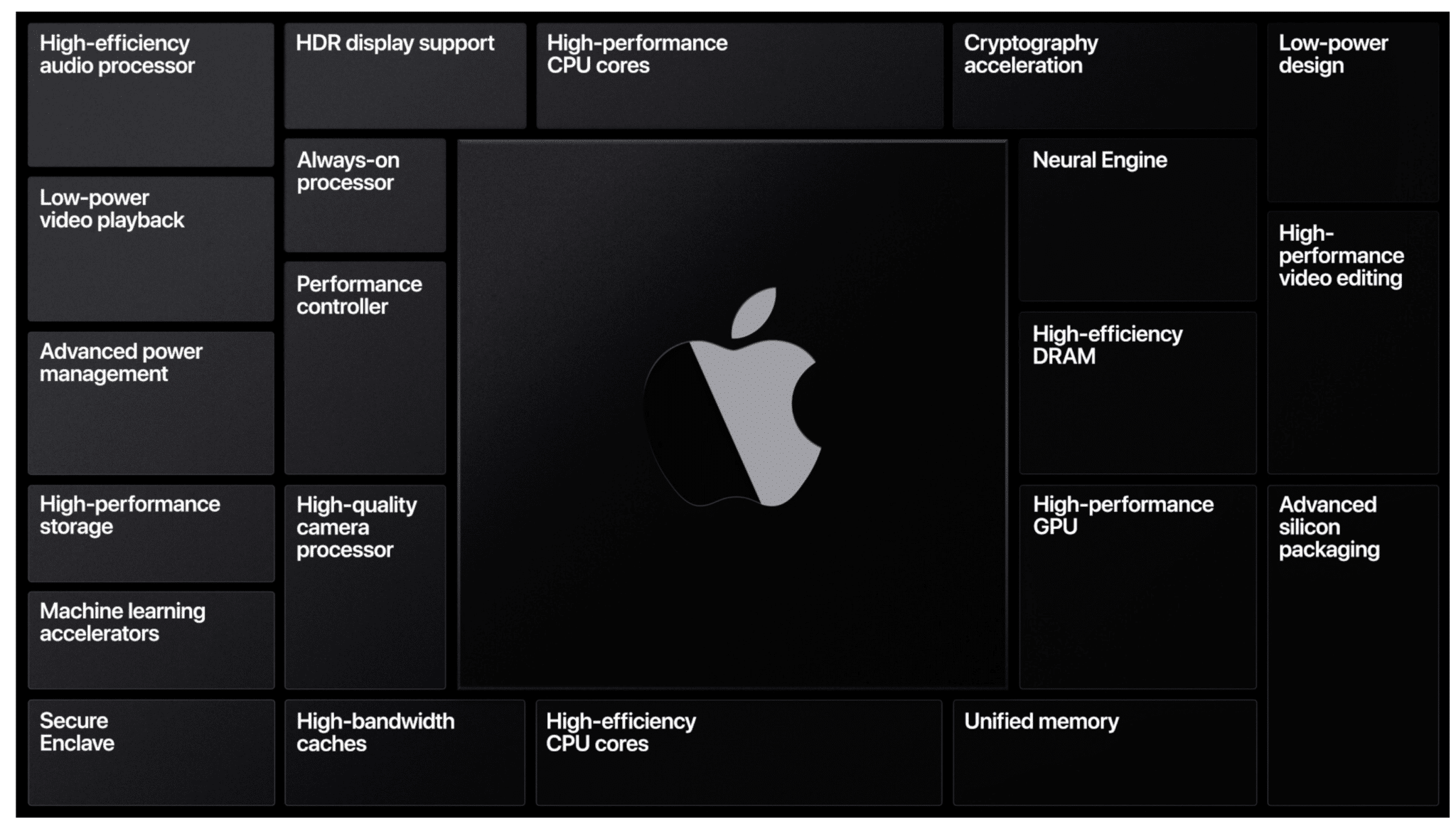
Apple Silicon, the basics - iBeta
Mac Mini And Apple Silicon M1 Review: Not So Crazy After All | Ars Technica
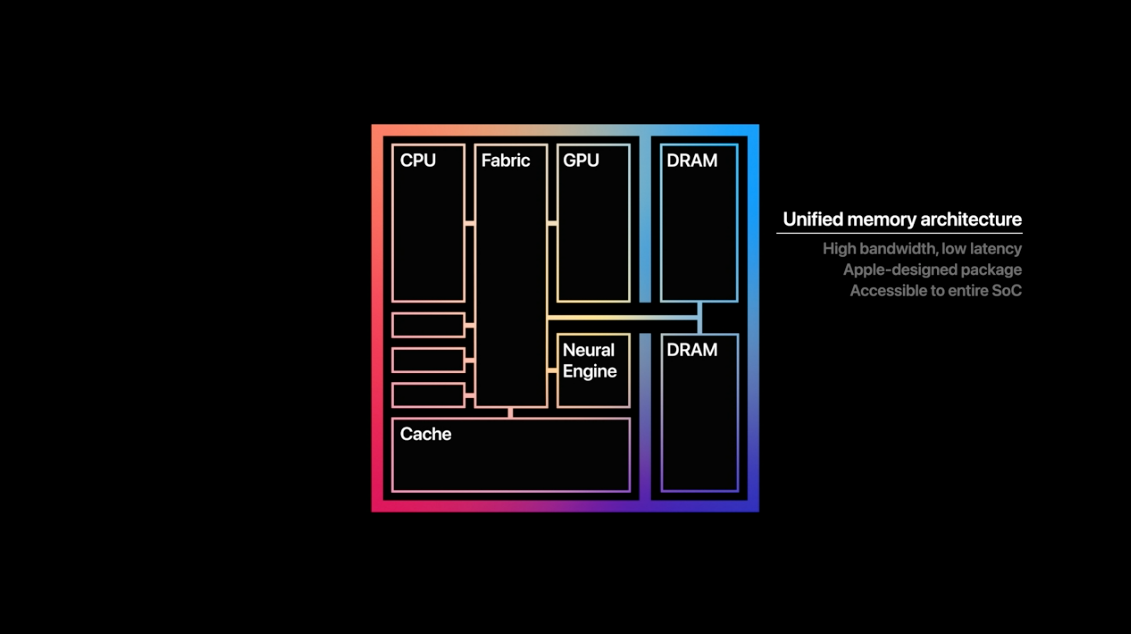
Mac mini and Apple Silicon M1 review: Not so crazy after all | Ars Technica
Apple's New IPhone Anti-Theft Feature: How It Works & Why You Should
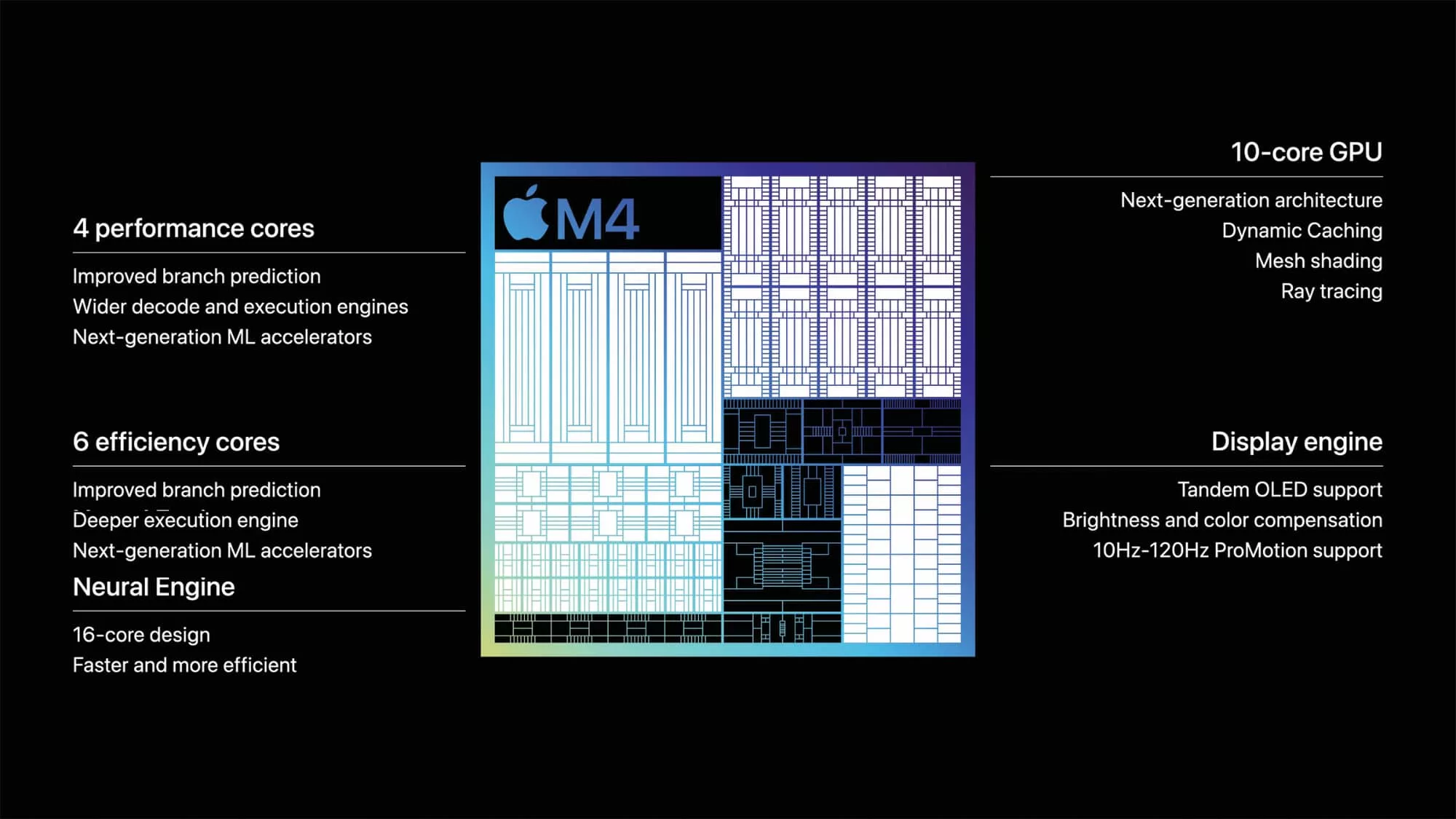
Apple's New iPhone Anti-Theft Feature: How It Works & Why You Should ...
Apple Unveils New M1 Apple Silicon Chip For Macs - MacStories

Apple Unveils New M1 Apple Silicon Chip for Macs - MacStories