A checkered flag printable is more than a racing icon—it can become a personal or promotional statement when tailored to your needs. Whether you’re a coach, event organizer, or simply a fan who wants a unique souvenir, customizing this classic design can add a touch of professionalism and personality to any project. Below we break down the basics, benefits, and practical steps to help you transform a simple flag into a memorable asset.
What Is a Checkered Flag Printable?
At its core, a checkered flag printable is a high‑resolution digital file—typically PDF or PNG—that reproduces the traditional black‑and‑white racing flag. The file can be printed on a variety of media, from cardstock to banners, and used in signage, invitations, or as a backdrop for photos. The design’s geometric symmetry lends itself well to customization, whether you’re adding text, colors, or branding elements.
Why Customize Your Checkered Flag Printable?
Personalizing the flag elevates its relevance. A sports team can insert its crest, a corporate event can feature the company logo, and a local race can include a sponsor’s name. Customization enhances brand recognition, creates a cohesive visual theme, and makes the flag a functional marketing tool rather than a static illustration. Additionally, a bespoke flag can serve as a keepsake for participants, reinforcing event memories.
How to Use the Checkered Flag Printable
Start by selecting a file that matches the intended size—standard prints often range from 8×10 inches for handouts to 24×36 inches for banners. Open the file in a design program such as Adobe Illustrator or a free alternative like Inkscape. From there, you can add text layers, import logos, or adjust the color palette. Once your design is complete, export a print‑ready version at 300 dpi to maintain sharpness. Print on high‑quality paper or laminate for durability, especially if the flag will be handled frequently.

Practical Tips for Personalizing Your Flag
- Keep it simple. Overcrowding the flag with too many elements can dilute its iconic look.
- Use contrast wisely. If you introduce colors, ensure they stand out against the black‑and‑white background.
- Check resolution. Low‑resolution logos can appear blurry when scaled up; use vector files whenever possible.
- Test print a draft. A small proof helps catch color shifts or font issues before committing to a full‑sized print.
- Consider durability. For outdoor events, treat the flag with a protective coating or choose weather‑resistant materials.
Common Mistakes to Avoid
Many users inadvertently compromise the flag’s integrity by using non‑print‑ready images or by neglecting bleed settings—this can result in unwanted white borders around the printed edge. Additionally, adding text that is too small or using fonts that don’t align with the design’s bold aesthetic may render the flag unreadable at a distance. Finally, skipping the proofing step can lead to costly reprints, especially with large banners.
Where to Find Ready‑Made Templates
If you’re short on time or design skills, several online platforms offer customizable checkered flag templates. These templates come pre‑formatted with adjustable layers for text and logos, making it easy to upload your branding assets. Always verify that the template’s resolution and file format align with your intended print medium. By starting with a solid template, you can focus on the creative details that set your flag apart.
What Is A Discover Debit Card Printable Cardsdiscover Card Design Options
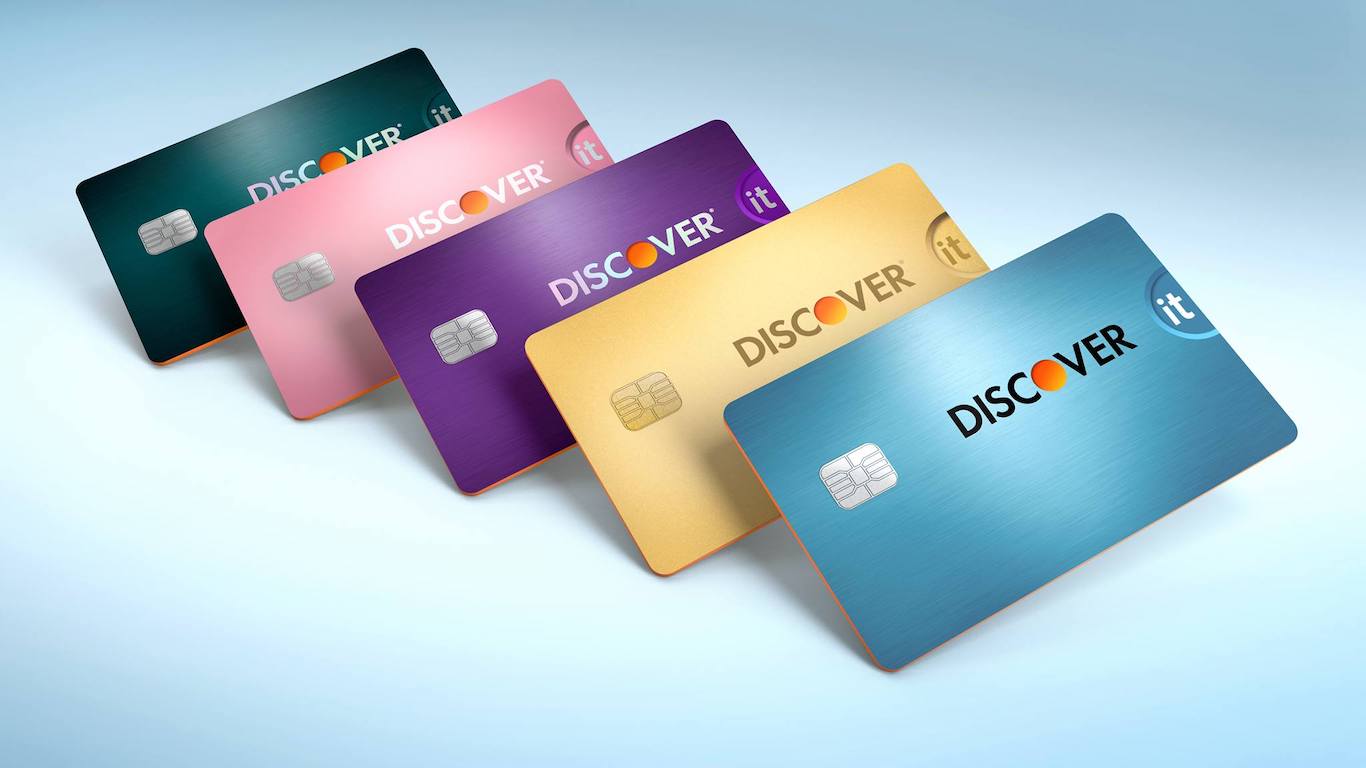
What Is A Discover Debit Card Printable Cardsdiscover Card Design Options
Discover Mobile – Apps On Google Play

Discover Mobile – Apps on Google Play
1277 - Nilson Report

1277 - Nilson Report