The California DMV Bill of Sale (Form REG 135) is the official paper trail for any private‑party vehicle transfer, and completing it accurately can mean the difference between a smooth title change and a costly administrative snag. Below, experienced hobbyists will find the most frequent pitfalls, direct comparisons of “what most people do” versus “what works better,” and step‑by‑step guidance to keep the process moving.
What is the California DMV Bill of Sale and When Is It Required?
The Bill of Sale is a mandatory record when a vehicle changes hands outside of a dealership. It serves both the buyer and seller as proof of purchase, supplies the DMV with vital data for title transfer, and can be used to verify odometer disclosures. The form is needed for:
- Private sales of cars, trucks, motorcycles, and scooters.
- Transfers between family members that do not qualify for a gift exemption.
- Transactions where the title is being transferred to a lienholder.
While the form is optional for dealer sales—because the dealer provides its own paperwork—it remains a required piece for any private transaction that will be recorded at the DMV.
Which Parts of the Form Trip Most Hobbyists?
Even seasoned enthusiasts can stumble over the same sections. Below is a quick comparison of the “common mistake” versus the “smarter alternative.”
- Odometer reading: Common mistake: Leaving the field blank or copying the mileage from a previous registration.
Smarter alternative: Record the exact mileage displayed on the vehicle’s odometer at the moment of sale; double‑check with the vehicle’s service log if available. - Vehicle Identification Number (VIN): Common mistake: Transposing a digit or omitting the last character.
Smarter alternative: Verify the VIN on the driver’s side dashboard, the engine block, and the registration card before entering it. - Sale price: Common mistake: Entering “$0” to avoid tax or leaving it blank.
Smarter alternative: State the actual purchase price; if the transaction is a private gift, use the “gift” checkbox and be prepared to submit a Statement of Facts (REG 256). - Signatures: Common mistake: Signing in pen but forgetting the seller’s signature block.
Smarter alternative: Both parties sign in ink, and each keeps a copy; consider notarizing if the buyer’s lender requires it. - Date fields: Common mistake: Using the date of contract instead of the date of actual transfer.
Smarter alternative: Use the exact day the buyer takes possession of the vehicle; this aligns with odometer and mileage disclosure rules.
How Can You Avoid the Most Costly Errors?
Eliminating mistakes is less about luck and more about a few disciplined habits:
- Cross‑check every entry. After filling a section, glance at the original documents (title, registration, odometer sticker) to confirm consistency.
- Use the DMV’s online preview. California’s e‑DMV portal lets you upload a draft of REG 135 and highlights missing or mismatched fields before you print.
- Keep a digital copy. Scanning the completed form creates a timestamped record that can resolve disputes if the buyer later claims a different mileage.
- Ask the buyer’s lender early. Some finance companies demand a notarized Bill of Sale; confirming this requirement beforehand prevents a delayed title transfer.
What Are the Practical Steps After Submission?
Once the Bill of Sale is signed and the buyer submits it with the title transfer application, the following actions keep the process on track:
- Pay the transfer fee and any use‑tax based on the sale price; the DMV calculates tax from the amount listed on the Bill of Sale.
- Submit a smog certification if the vehicle is more than four years old and the sale is taking place within California’s smog‑check zones.
- Obtain a temporary operating permit if the buyer needs to drive the car before the new title is issued.
- Retain the filed copy for at least three years to protect against future liability or ownership disputes.
Can a Mistake Be Fixed After the Fact?
Corrections are possible but often involve additional paperwork and fees. If the VIN or odometer is wrong, the buyer should file a Statement of Facts (REG 256) with the DMV, explain the error, and provide supporting evidence (e.g., service records). For missing signatures, the DMV will reject the submission outright, requiring the parties to resubmit the form.
By treating the California DMV Bill of Sale as a checklist rather than a formality, hobbyists can sidestep the most common errors, keep their transactions tax‑compliant, and enjoy the satisfaction of a clean title transfer.
California State Map | USA | Detailed Maps Of California (CA)
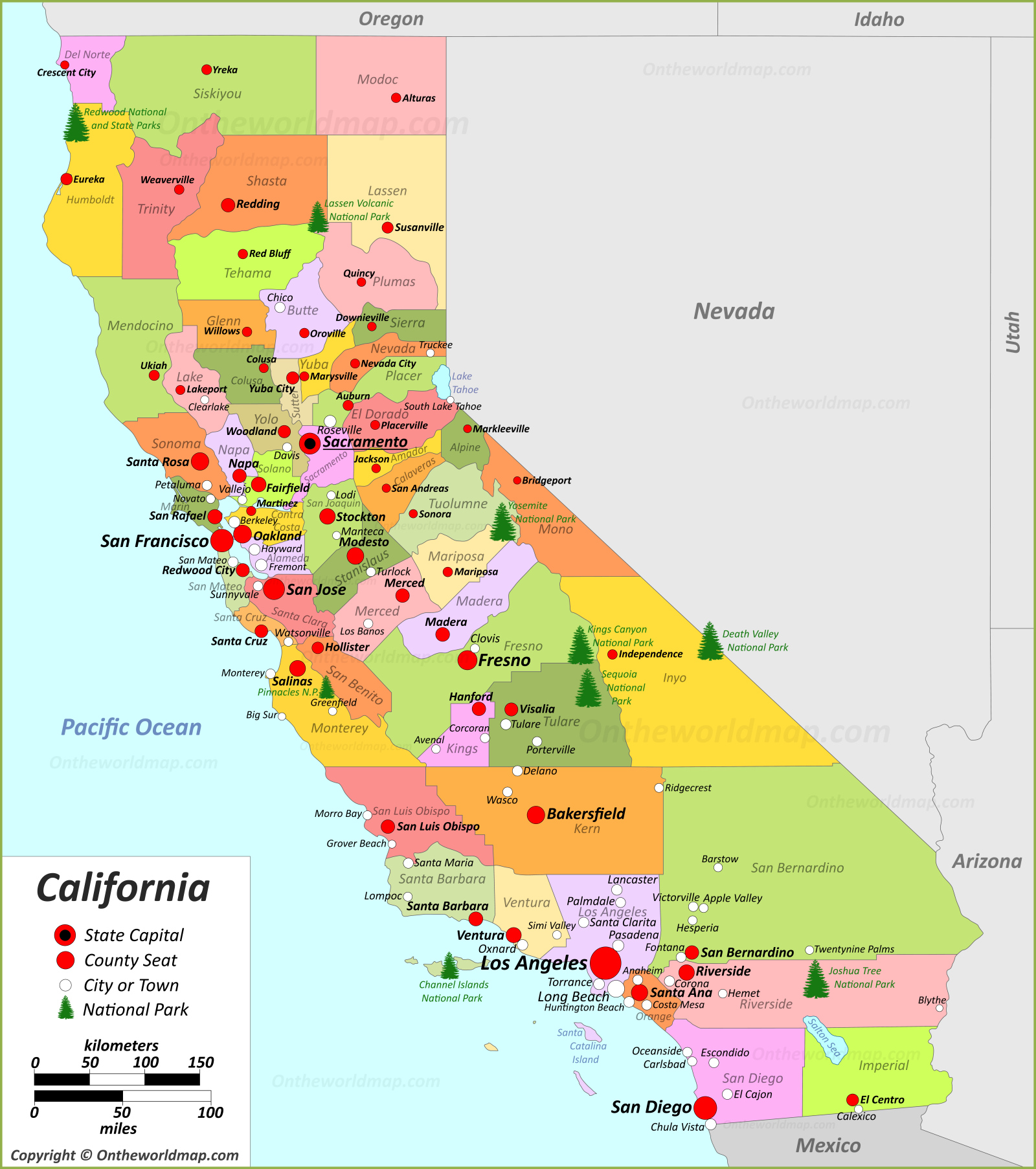
California State Map | USA | Detailed Maps of California (CA)
Large California Maps For Free Download And Print | High-Resolution And
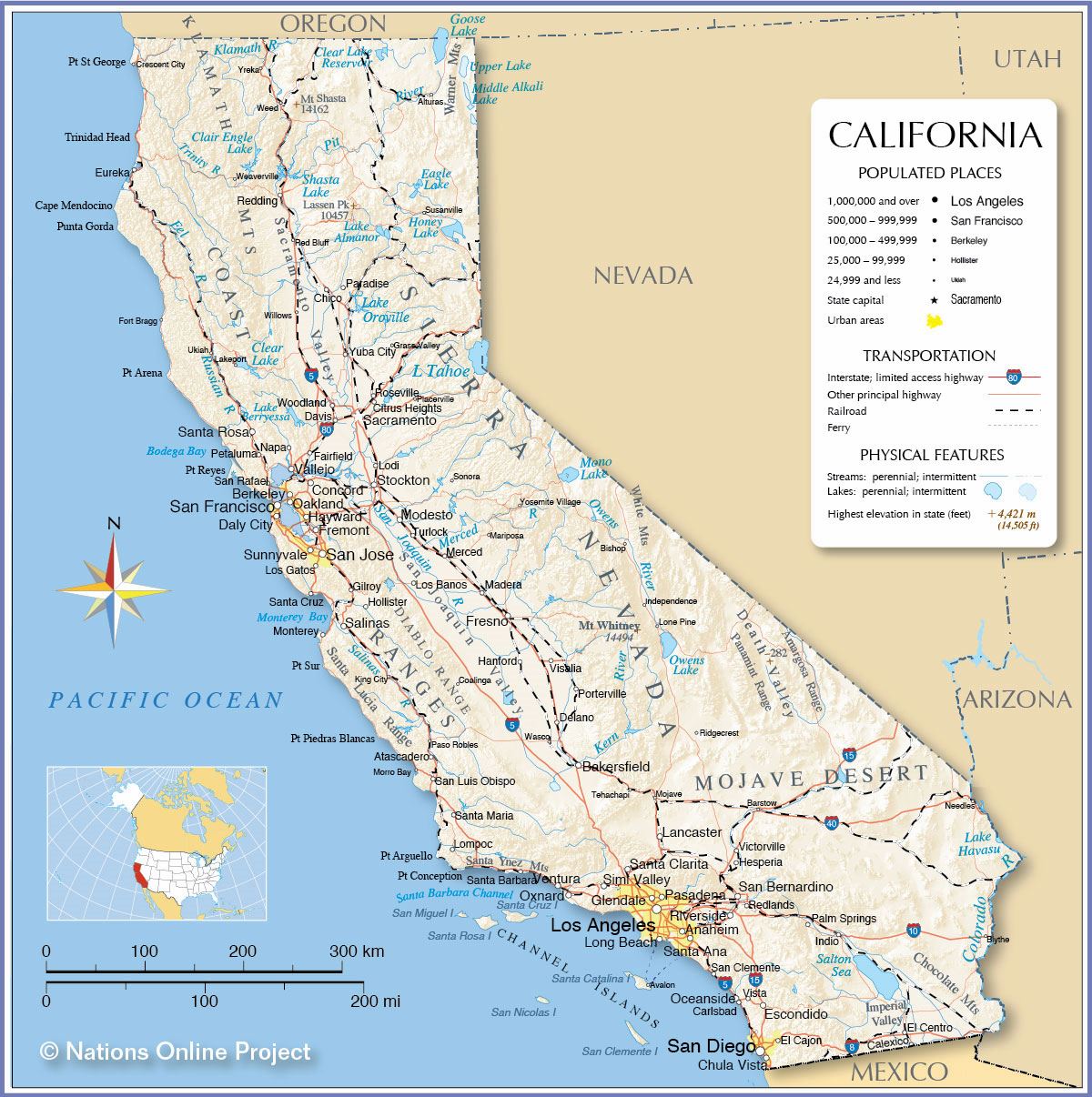
Large California Maps for Free Download and Print | High-Resolution and ...
California 2021: Los 10 Mejores Tours Y Actividades (con Fotos) - Cosas

California 2021: los 10 mejores tours y actividades (con fotos) - Cosas ...
California Maps & Facts - World Atlas
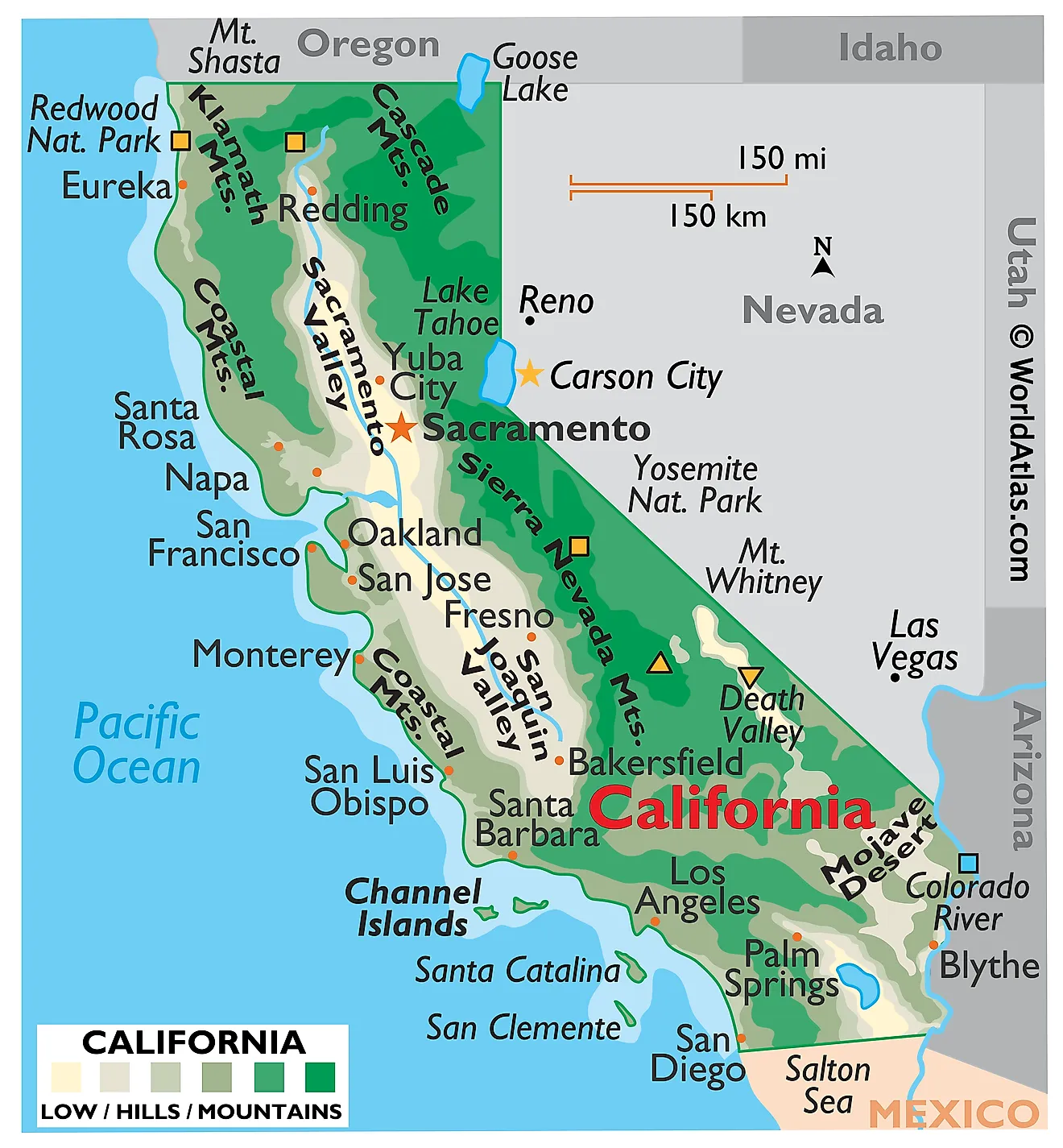
California Maps & Facts - World Atlas