The Islandzkie szpic pasterski, a rugged yet affectionate breed hailing from the far reaches of the North Atlantic, has captured the hearts of dog lovers across Europe. Known for its distinctive long coat and stoic demeanor, this sighthound‑dog hybrid is more than a striking appearance—it offers a blend of loyalty, intelligence, and endurance that makes it a formidable partner for both active families and seasoned hobbyists.
Origins and Heritage
Rooted in the remote islands of the Norwegian archipelago, the Islandzkie szpic pasterski evolved as a working dog in harsh climates. The breed’s ancestry can be traced back to the ancient German Spitz and the agile, fast‑running sighthounds that roamed the island’s rugged terrain. Over centuries, selective breeding favored dogs that could chase small game, guard property, and withstand sub‑zero temperatures. This historical background explains the breed’s robust constitution and its natural instinct for hunting and herding.
Physical Traits and Grooming
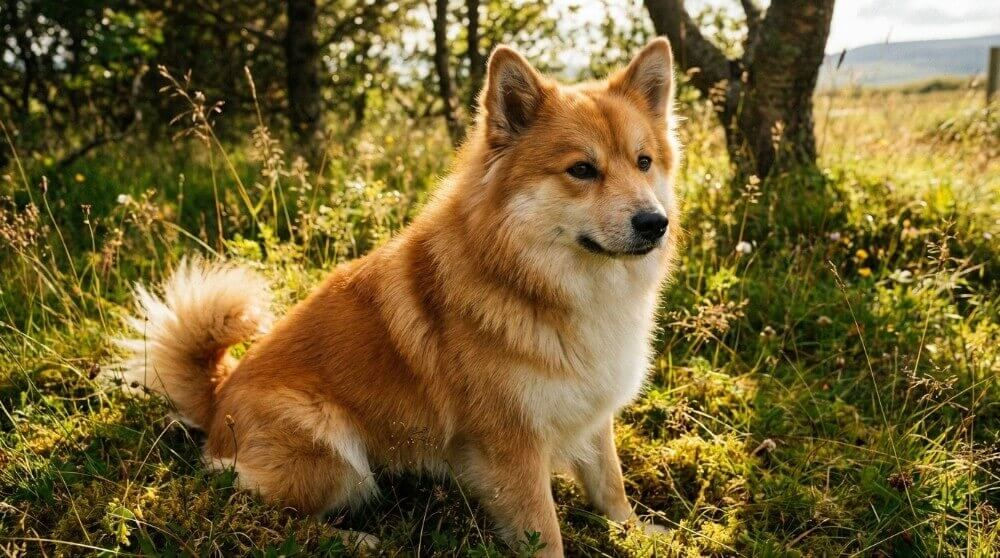
The Islandzkie szpic pasterski typically weighs between 45 and 70 pounds and stands 18 to 22 inches tall at the shoulder. Its most striking feature is a double coat that ranges from sandy brown to deep chocolate, often accented by a black mask and white underbelly. This dense fur offers protection against wind and snow, but requires regular brushing—at least twice a week—to prevent matting. Seasonal shedding can be intense; during spring and fall, a daily sweep with a slicker brush will keep the coat healthy and reduce stray hair around the home.
Temperament and Family Fit
- Alert and Protective: The breed’s innate guarding instinct makes it vigilant around children and unfamiliar visitors.
- Independent Yet Affectionate: While it enjoys human companionship, the Islandzkie szpic pasterski retains a level of independence that can be comforting to experienced hobbyists who appreciate a self‑sufficient companion.
- Energy Management: Daily walks of at least 45 minutes, supplemented by interactive games such as scent work, help channel its natural endurance.
Health and Care
Overall, the Islandzkie szpic pasterski enjoys a healthy lifespan of 10 to 12 years. Common health concerns include hip dysplasia, progressive retinal atrophy (PRA), and a predisposition to dental tartar due to its large jaws. Preventative measures such as a balanced diet, regular veterinary check‑ups, and early screening for hip and eye conditions can mitigate these risks. Regular dental brushing and dental chews are essential to prevent periodontal disease.
Training and Exercise
Training should begin early, leveraging positive reinforcement and consistent routines. The breed’s intelligence makes it quick to learn basic commands, yet its independent streak can sometimes manifest as stubbornness. Short, focused sessions of 10 to 15 minutes each day are more effective than long, drawn‑out training blocks. Incorporating scent‑based tasks or agility courses can provide mental stimulation while maintaining physical fitness.
Choosing a Responsible Breeder
When selecting a breeder, prioritize those who perform health clearances for hip and eye conditions on both parents. A reputable breeder will also offer a health guarantee and provide a detailed history of the dog’s lineage. Look for a breeder who encourages a home visit or video call to observe the puppies in their living environment, ensuring they are socialized and well‑cared for.
Implications for the Modern Dog Owner
For hobbyists seeking a companion that balances independence with devotion, the Islandzkie szpic pasterski offers a compelling option. Its adaptability to various living situations—from rural farms to apartment settings—paired with its low grooming demands (outside of shedding seasons), makes it an accessible choice for those who value a sturdy, affectionate dog. By understanding its historical context, grooming needs, and temperament, owners can cultivate a rewarding relationship that respects the breed’s heritage while embracing contemporary lifestyles.