For anyone looking to strengthen their core without straining the spine, the dead‑bug exercise offers a low‑impact, highly effective routine. It activates deep abdominal muscles, improves coordination, and can be performed with minimal equipment—making it ideal for home gyms, community centers, and even the fitness areas near Balaji Temple in New Jersey.
Why choose the dead bug over other ab moves?
What specific muscles does it target?
The dead bug primarily engages the transverse abdominis and rectus abdominis while also recruiting the hip flexors and lower back stabilizers. By keeping the spine neutral, it avoids the lumbar compression common in crunches, reducing injury risk for seasoned hobbyists who already know the value of joint safety.
How does it differ from traditional crunches?
Traditional crunches bend the spine, putting pressure on the intervertebral discs. In contrast, the dead bug maintains a flat back, letting the pelvis act as a stable base while the limbs move. This separation of motion creates a “core‑on‑core” activation that many advanced trainers recommend for balanced strength.

Step‑by‑step: How to perform the dead bug correctly
What is the starting position?
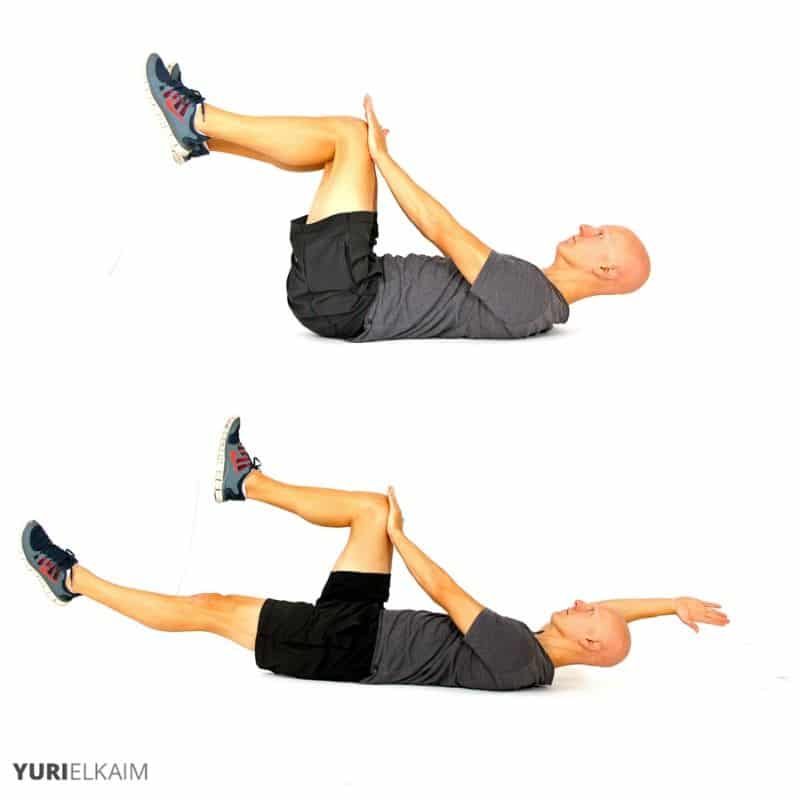
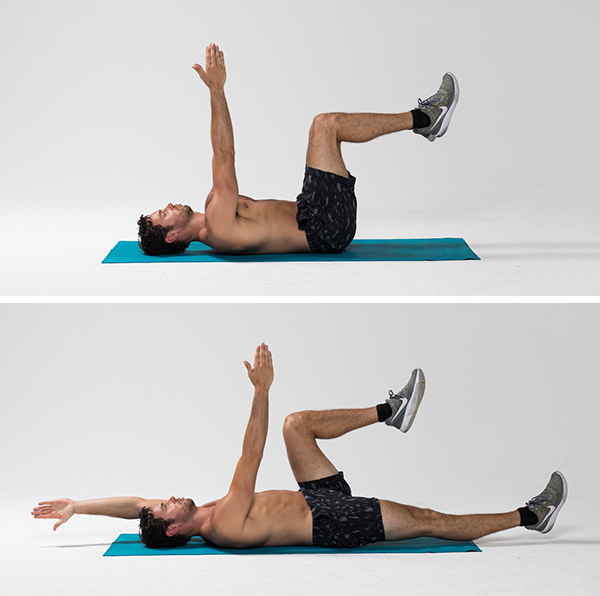
- Lie on your back with knees bent at 90°, feet lifted so your shins are parallel to the floor.
- Raise both arms straight toward the ceiling, keeping them directly above your shoulders.
How do you execute the movement safely?
- Press your lower back into the floor (a small hollow should appear under your shoulder blades).
- Slowly extend your right arm overhead while simultaneously straightening your left leg, keeping both a few inches above the ground.
- Return to the starting position, then repeat on the opposite side.
Maintain a controlled tempo—about two seconds to extend, two seconds to return—to maximize muscle activation and minimize momentum.
Common pitfalls and how to avoid them
Why does my lower back arch?
If the lumbar curve lifts, you’re likely lifting the limbs too quickly or lacking core stability. Reduce the range of motion or place a pillow under the lower back to remind yourself to keep it flat.
What if my shoulders feel strained?
Excessive shoulder tension usually stems from over‑extending the arms. Keep the elbows slightly bent and focus on moving from the shoulder girdle, not the wrists.
Integrating the dead bug into a broader routine
When should you add it to your workouts?
Place the dead bug at the beginning of a session after a brief warm‑up—its low‑impact nature makes it an excellent activation drill before heavier lifts or cardio circuits.
How many sets and reps are optimal?
For most hobbyists, 3 sets of 8–12 repetitions per side provide sufficient stimulus. Advanced practitioners can increase difficulty by holding a light dumbbell above the chest or adding a resistance band around the thighs.
What does this mean for fitness enthusiasts near Balaji Temple?
Community members attending events at the Balaji Temple in New Jersey often seek ways to stay active between cultural gatherings. The dead bug’s simplicity allows it to be performed in small spaces—whether in a temple hall, a nearby park, or a home office. By mastering this movement, hobbyists can maintain core health year‑round, supporting both daily activities and the rhythmic dances featured during temple festivals.
How To Do The Dead Bug Exercise | BODi
How to Do the Dead Bug Exercise | BODi
Dead Bug Exercise Beginner - Strengthen And Stabilize Your Core - YouTube

Dead Bug Exercise Beginner - Strengthen and Stabilize Your Core - YouTube
How To Get Rid Of Big Ribcage | Cricket Exercise, How To Do Butterfly

How to get rid of big ribcage | Cricket exercise, How to do butterfly ...