Students at SUNY Geneseo quickly discover that a packed timetable can turn a semester into a marathon of late‑night study sessions and missed meals. By pinpointing the scheduling habits that most often trigger burnout—and dropping them—students can trade frantic rushes for steady progress and reclaim the campus experience they signed up for.
Overloading Your Credit Load Without Buffer
Choosing every available class in the first semester may look impressive on paper, but it leaves little room for unexpected assignments, group work, or personal downtime. A realistic rule of thumb is to cap weekly class hours at around 15–18, allowing at least one hour of free time for each credit hour.
- Why it matters: Research on college student well‑being consistently links excessive weekly hours with higher anxiety scores.
- What to do instead: Draft a provisional schedule, then subtract two to three hours for unplanned study sessions or campus activities.
Stacking Back‑to‑Back Classes
When lectures line up from 8 a.m. to 5 p.m. without a break, the brain has no chance to reset. Those “tight‑fit” days bleed into each other, making it harder to retain information and increasing fatigue.
- Insert at least a 30‑minute gap between classes whenever possible.
- Reserve a single “open block” each week for exercise, meals, or a brief walk across campus.
Ignoring Core Requirements Early On
Delaying required courses until later semesters often forces students to cram them into a single term, creating a scheduling bottleneck. By identifying mandatory units in the first year and distributing them evenly, you avoid a sudden surge of workload.
- Review the Geneseo curriculum map during orientation.
- Plot required courses on a four‑year timeline, aiming for no more than three per semester.
- Check with an academic advisor to confirm prerequisites are met without overload.
Failing to Align Work and Class Times
Many Geneseo students hold part‑time jobs. When shift schedules clash with class times, they end up swapping one stressor for another—late‑night shifts to compensate for missed lectures.
- Communicate preferred work hours to employers early in the semester.
- Seek on‑campus or flexible positions that respect your academic timetable.
Underestimating Travel and Transition Time
Campus buildings can be spread out, and the university’s shuttle schedule isn’t always reliable. Assuming you can sprint between a 10 a.m. lecture and a 10:15 a.m. lab often leads to missed classes and a rushed feeling.

Treat the campus like a map: plot your routes, allow extra minutes for unexpected delays, and you’ll avoid the “lost on the coast” feeling that comes from a rushed schedule.
Skipping Regular Schedule Reviews
Even a well‑crafted timetable can go off‑track as a semester progresses. Ignoring early signs of overload—missed deadlines, declining grades, or constant fatigue—means the problem compounds.
- Set a recurring 15‑minute checkpoint at the end of each week.
- Adjust upcoming weeks based on workload, extracurricular commitments, and personal health.
Key Takeaway
Stress isn’t inevitable; it’s often the result of avoidable scheduling choices. By steering clear of credit overload, back‑to‑back classes, late‑semester requirement spikes, mismatched work hours, and neglecting travel buffers, Geneseo students can construct a balanced academic itinerary that favors learning over burnout. A deliberate, flexible schedule turns the semester from a race into a manageable journey.
Mapa Costa Girona Mapa

Mapa Costa Girona Mapa
Girona Travel Guide | Tourist Information
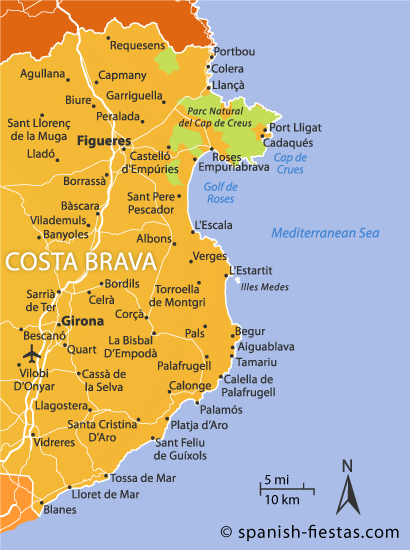
Girona Travel Guide | Tourist Information
Mapa De Girona Costa | Mapa | Costa Brava España, Guia Turistico, Mapas

Mapa De Girona Costa | Mapa | Costa brava españa, Guia turistico, Mapas
Mapa Costa Girona Mapa

Mapa Costa Girona Mapa
Espeleogel.com: FERRATAS Y CAP DE CREUS (GIRONA)

espeleogel.com: FERRATAS Y CAP DE CREUS (GIRONA)