Leading tattoo artists are finally opening up about the techniques that have kept Joe’s most daring designs vibrant for years. From pigment selection to hidden geometric codes, the insider tips combine bold visual impact with long‑term skin health—information every experienced hobbyist can apply to the next project.
Why Joe’s Ink Stands Out: The Hidden Geometry Behind the Art
Joe’s signature pieces often incorporate subtle geometry that most viewers miss at first glance. Artists explain that aligning key points of a design with the body’s natural lines—such as the clavicle or the spine—creates a visual flow that feels “organic” even when the imagery is stark. This method enhances movement and reduces the risk of distortion as the skin ages.

In the Trash Polka example above, the contrasting black and red sections are deliberately placed to echo the hidden triangles used in many of Joe’s pieces. The effect is both eye‑catching and structurally sound.
Choosing the Right Pigment: Longevity vs. Vibrancy
Most hobbyists default to the brightest inks, but Joe’s artists favor pigments that balance saturation with skin‑friendly composition. They recommend “soft‑core” reds and blues—those that contain less metallic salt—because they fade more gracefully and stay true to the original hue for a decade or longer.
- Benefit: Reduced risk of allergic reactions and smoother fading curves.
- Caution: Softer pigments may appear muted on the first day; a brief touch‑up after the healing phase often restores the intended punch.
Layering Techniques: When Bold Meets Subtle
Joe’s work often blends aggressive line work with realistic shading. The key is to apply heavy outlines first, allowing the ink to settle before moving to delicate gradients. This sequence prevents the heavy ink from pulling pigment from the softer layers, which can lead to uneven coloration.
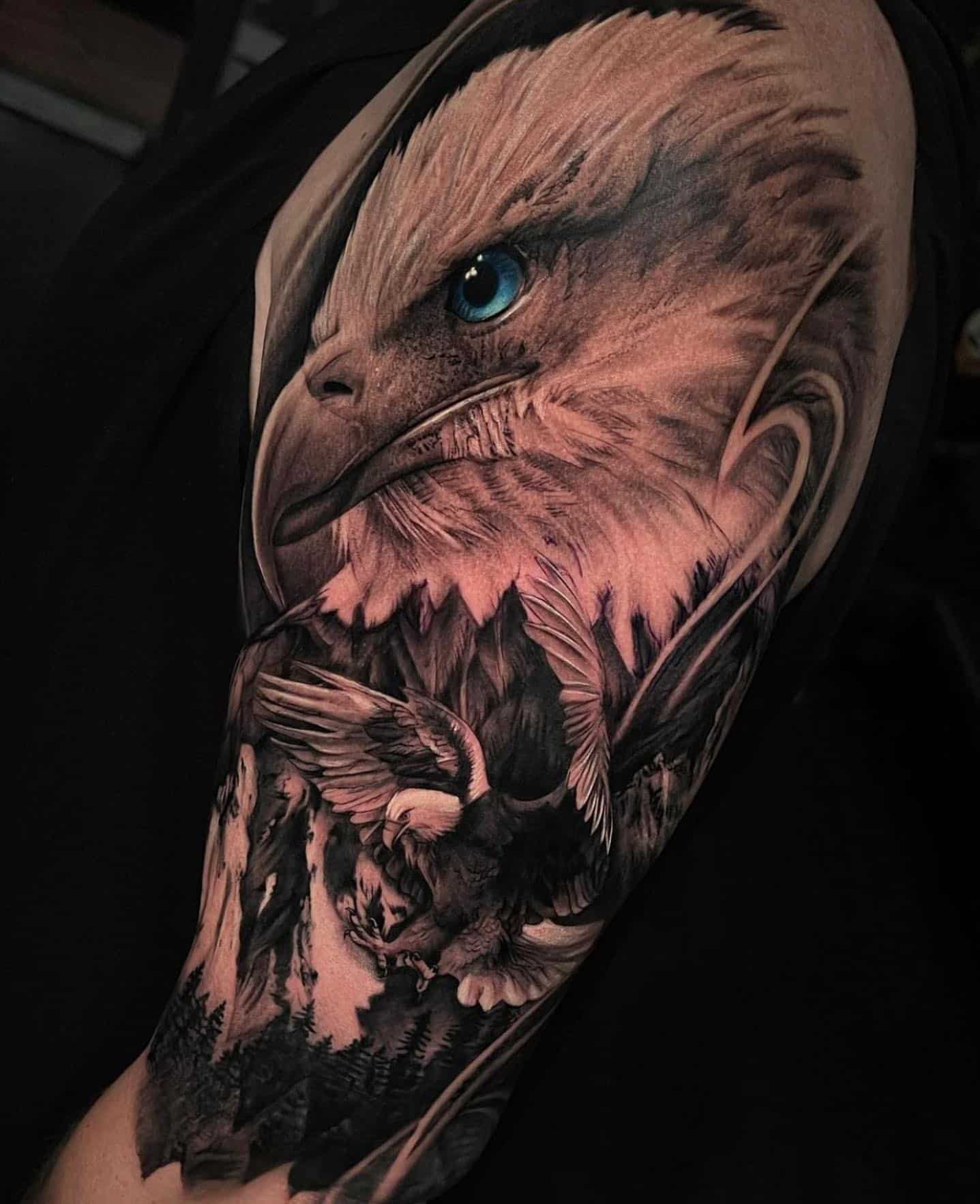
The realistic eagle above illustrates how precise feather shading can coexist with bold contours without muddying the overall image.
Aftercare That Honors the Secret
Joe’s artists stress that aftercare isn’t just about healing—it’s about preserving the hidden details. They advise a two‑stage moisturizing routine: a fragrance‑free ointment for the first 48 hours, followed by a light, silicone‑based lotion for the next two weeks. This protocol keeps the pigment from “cooking” under the surface, which can obscure subtle patterns.
Skipping the silicone step often leads to premature scabbing, which can erase the fine lines that carry Joe’s concealed symbols.
Potential Pitfalls: When Innovation Turns Risky
Experimenting with new techniques is encouraged, but artists warn against over‑loading a single session with multiple styles. Combining Trash Polka’s high‑contrast splashes with hyper‑realistic portraits in one sitting can overwhelm the skin’s healing capacity, resulting in blown‑out lines.
- Start with the dominant style (e.g., bold lines) and schedule the realistic shading for a separate appointment.
- Monitor the client’s skin response after the first session; any excessive redness or swelling should pause further work.
- Document the exact pigment batch numbers—future touch‑ups rely on matching the original shades to avoid mismatched tones.
Putting Joe’s Secrets to Work in Your Next Piece
For the seasoned hobbyist ready to elevate their art, the takeaway is simple: respect the balance between visual drama and technical sustainability. Adopt Joe’s hidden geometry, choose skin‑friendly pigments, layer responsibly, and honor the aftercare routine. By doing so, you’ll not only replicate the striking aesthetic that made Joe’s tattoos iconic but also ensure they endure as long as the stories behind them.
Line Art Jellyfish Tattoo At Kai Chuter Blog
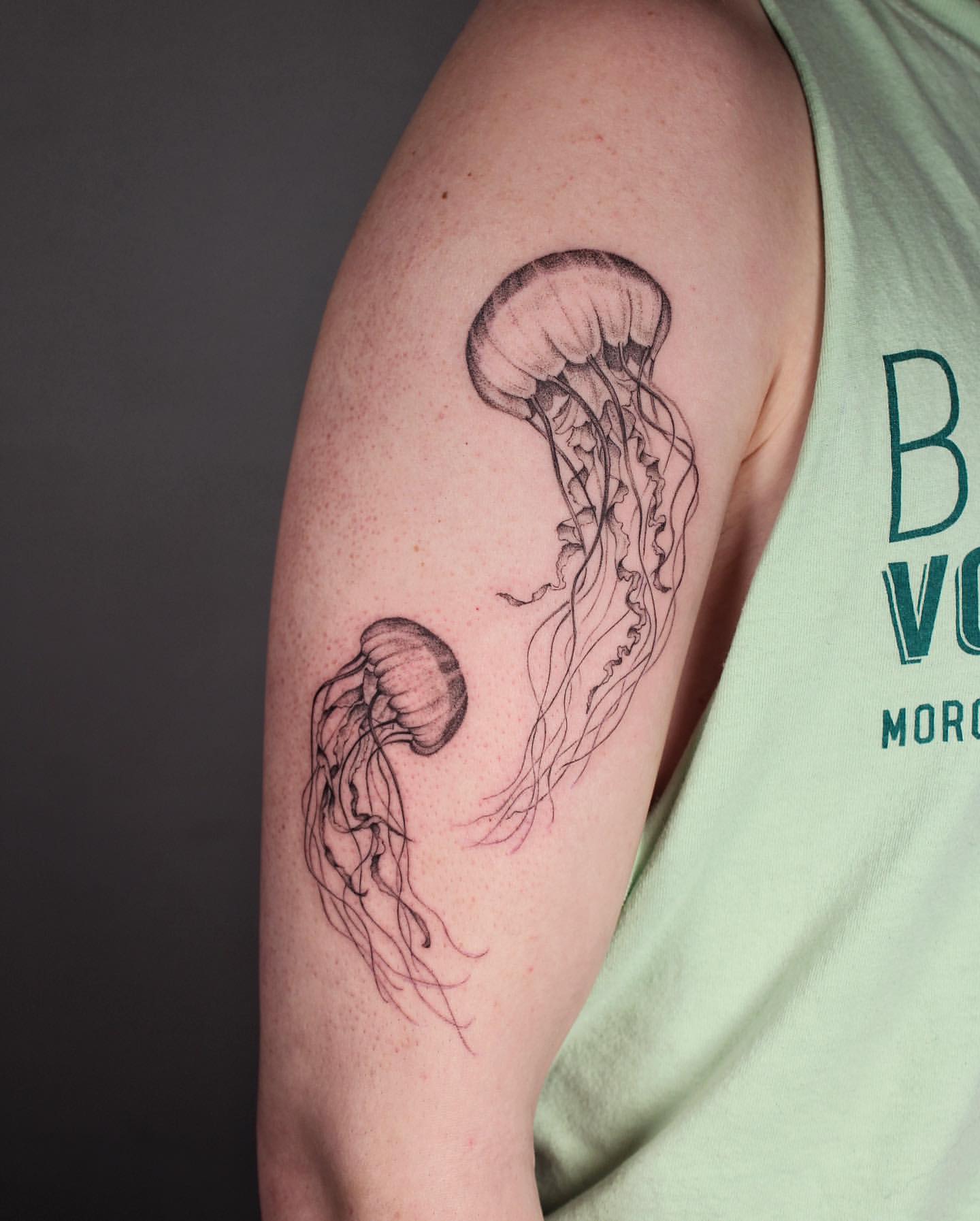
Tattoo Ideen Frauen Unterarm
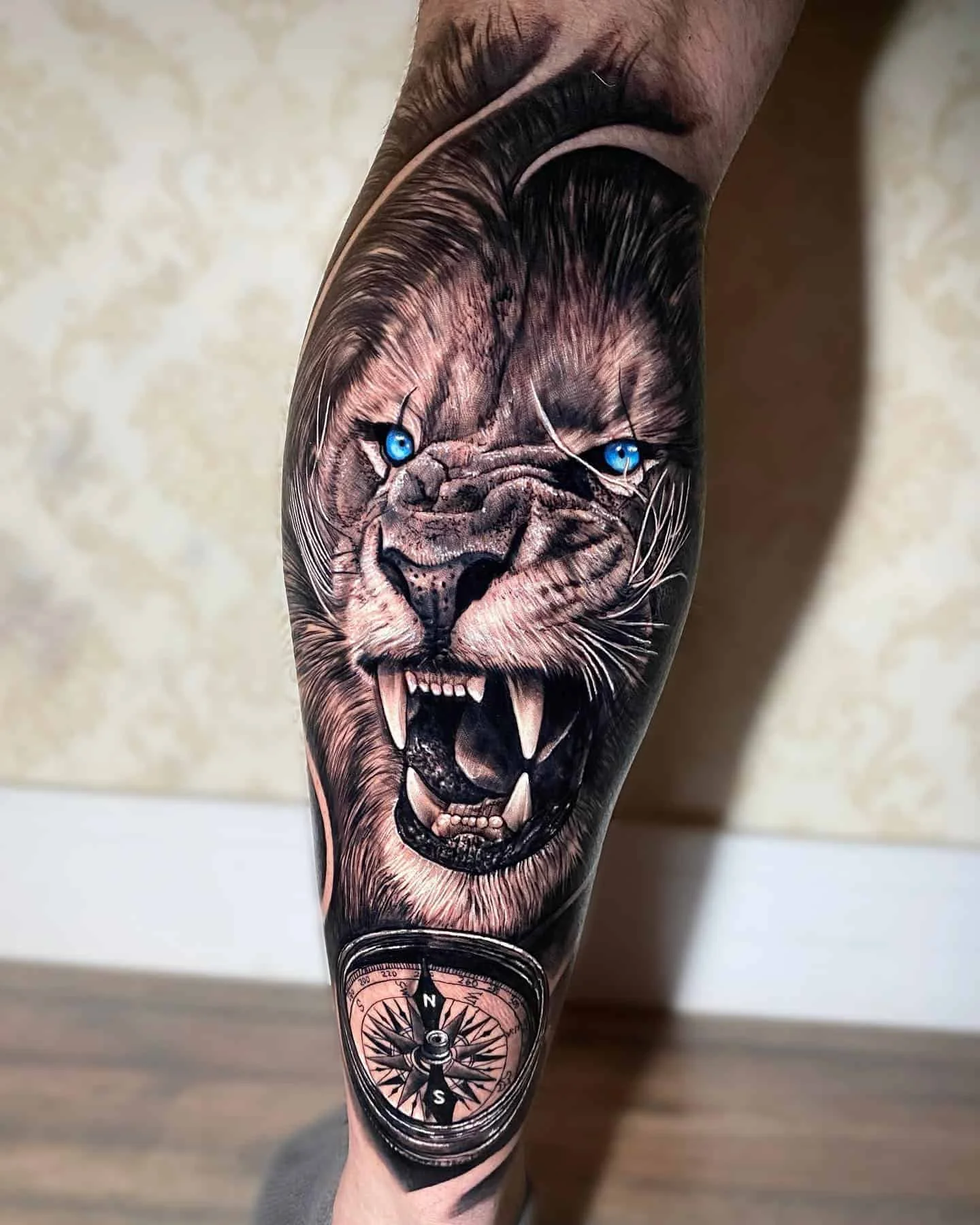
Biomechanical Forearm Tattoo | Orangetattooshop.com